762, an incurable patient
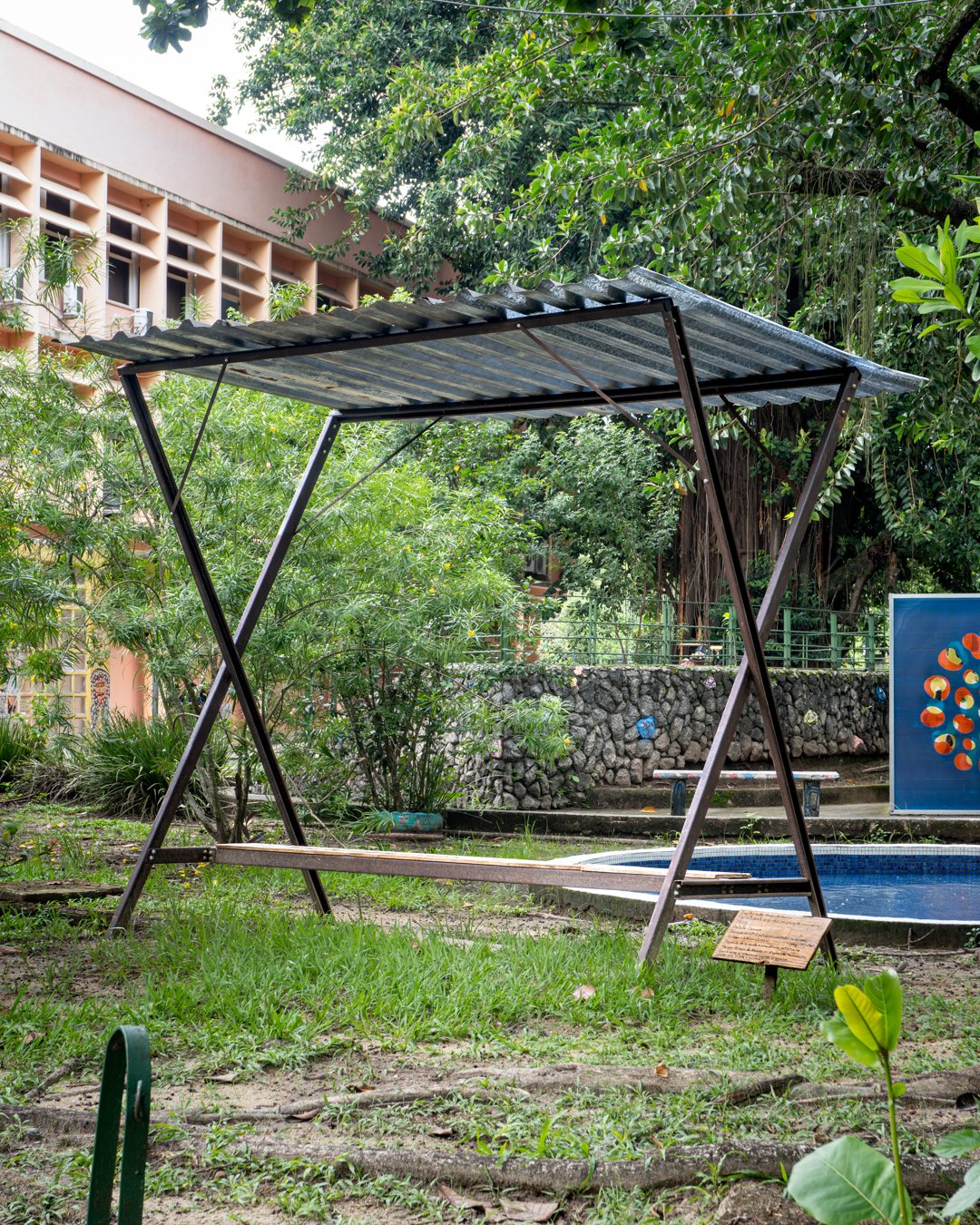
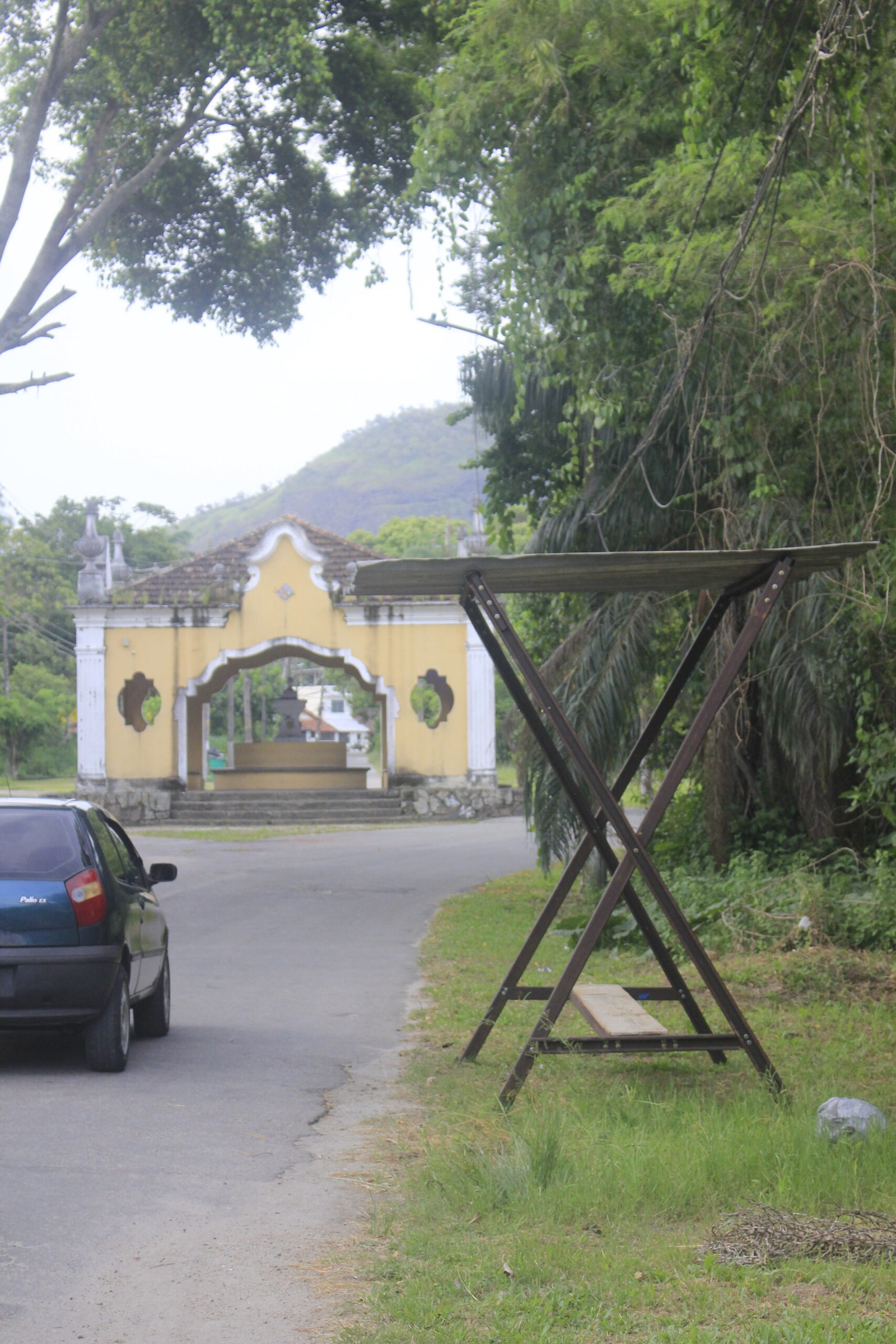
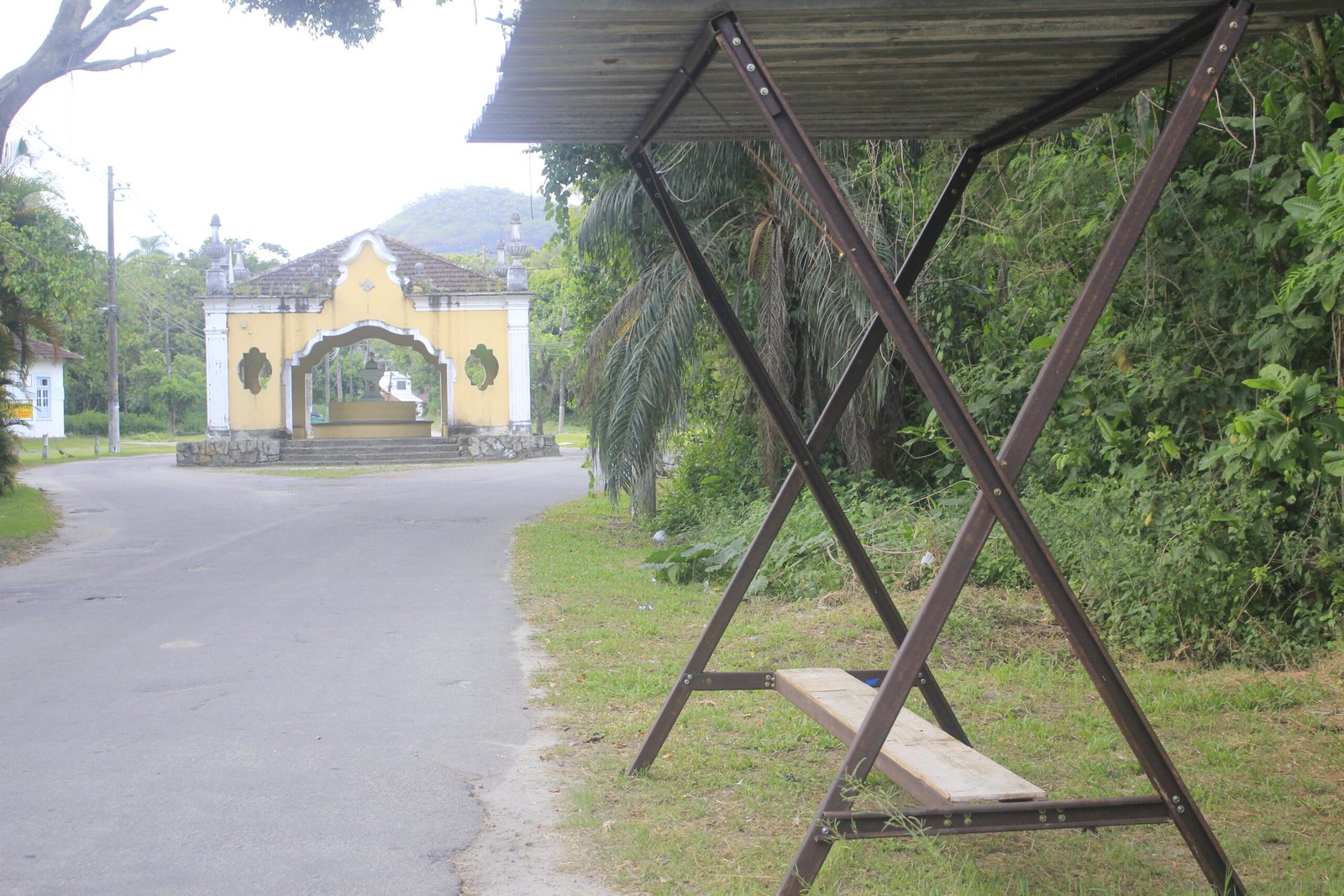
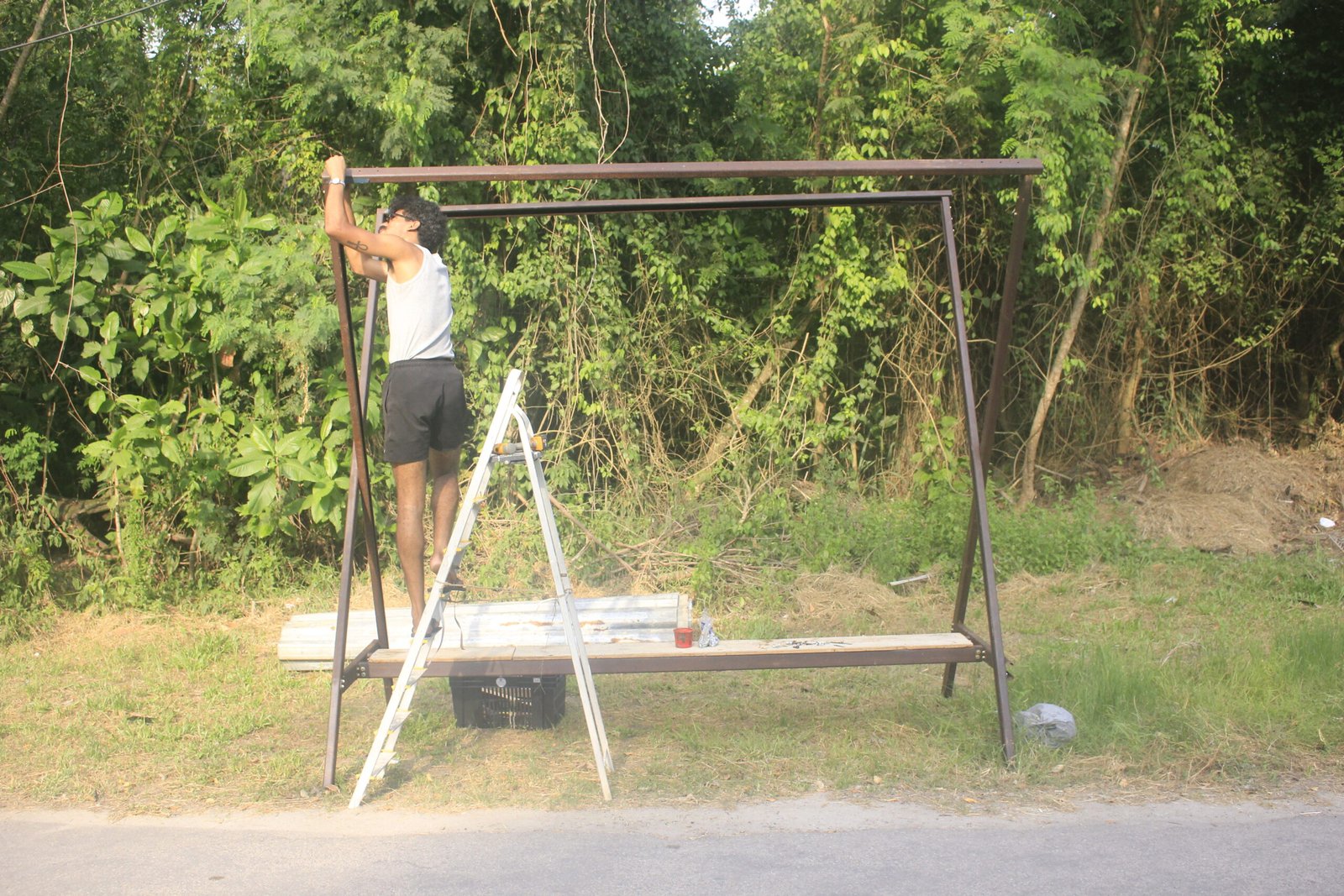
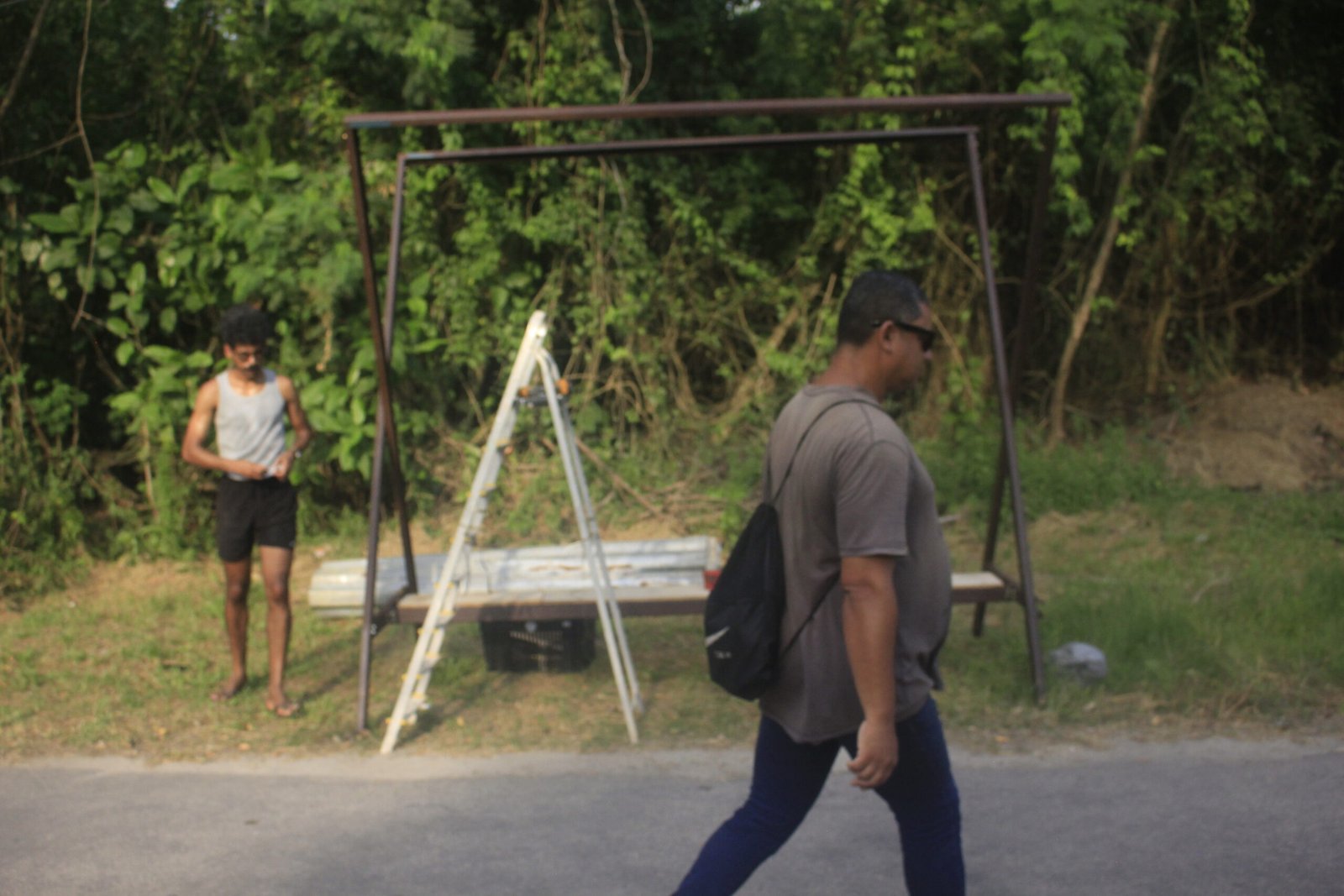
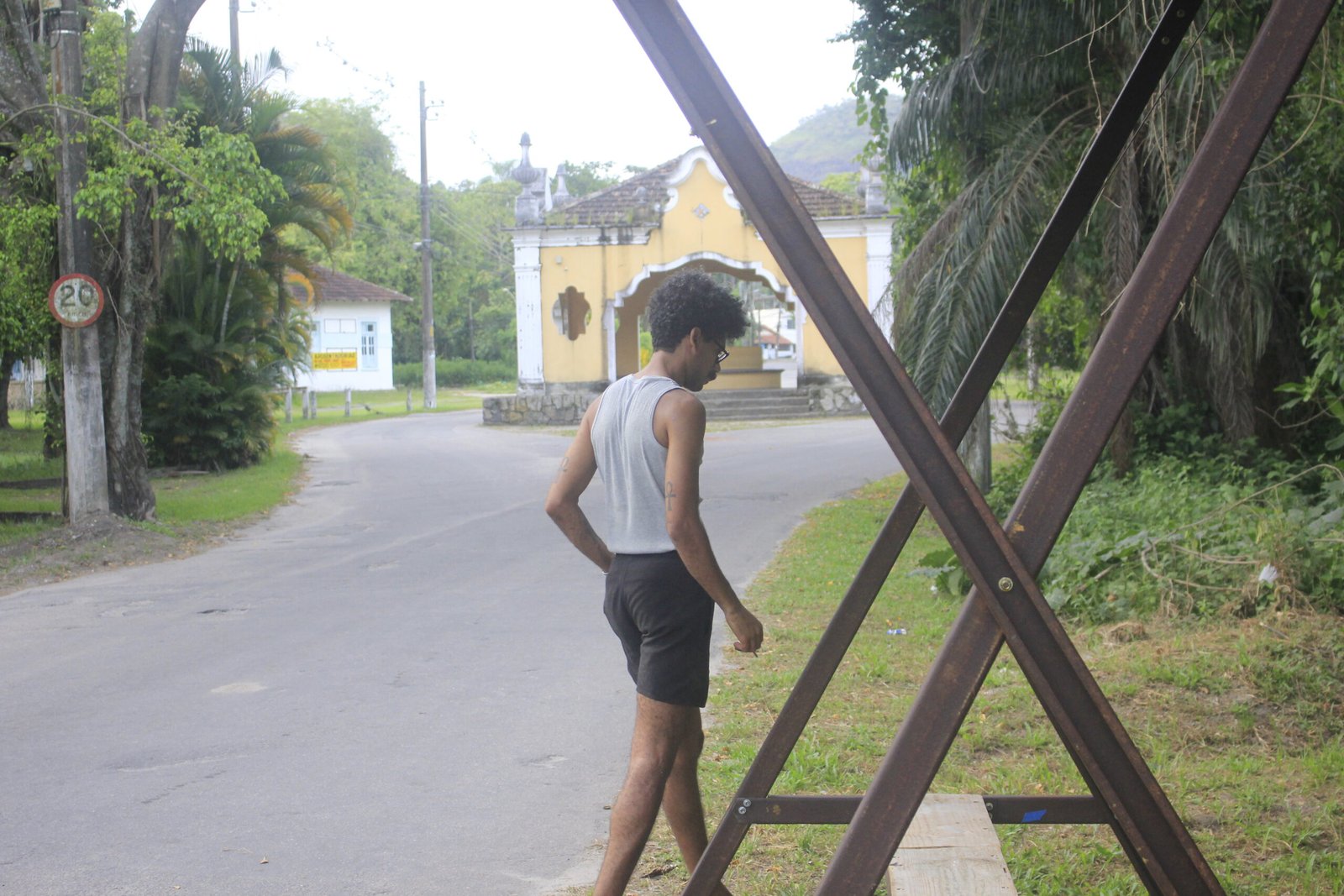
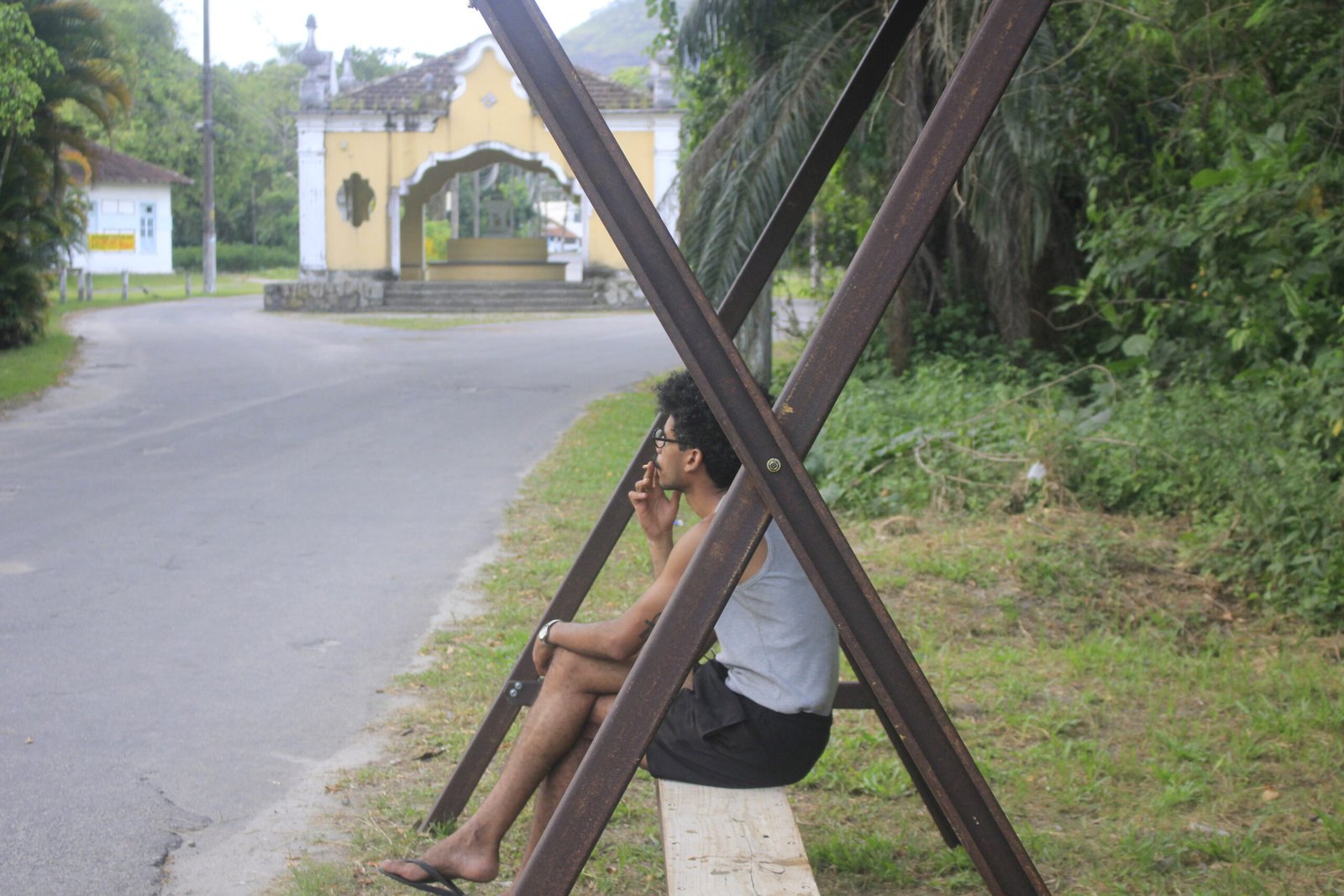
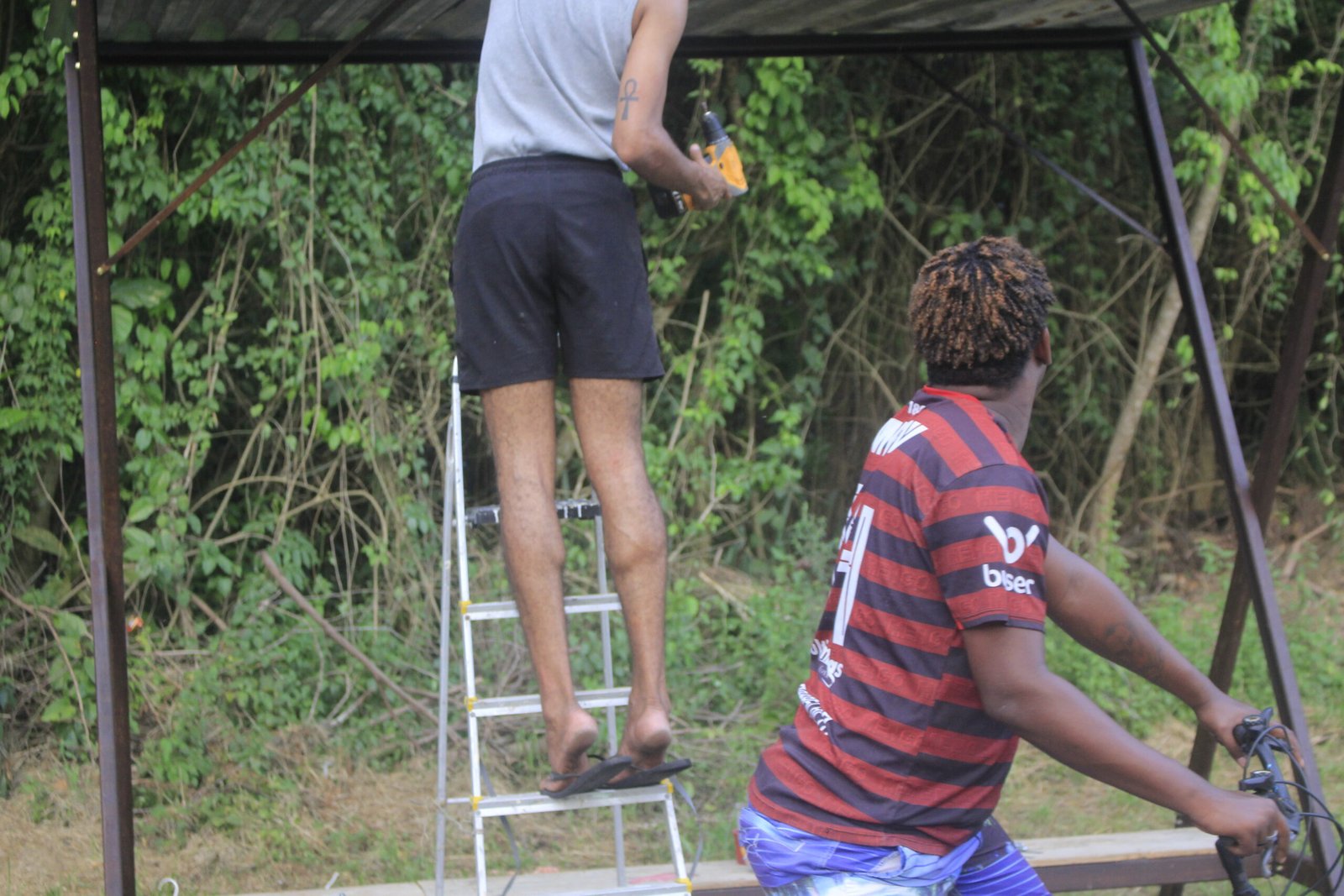
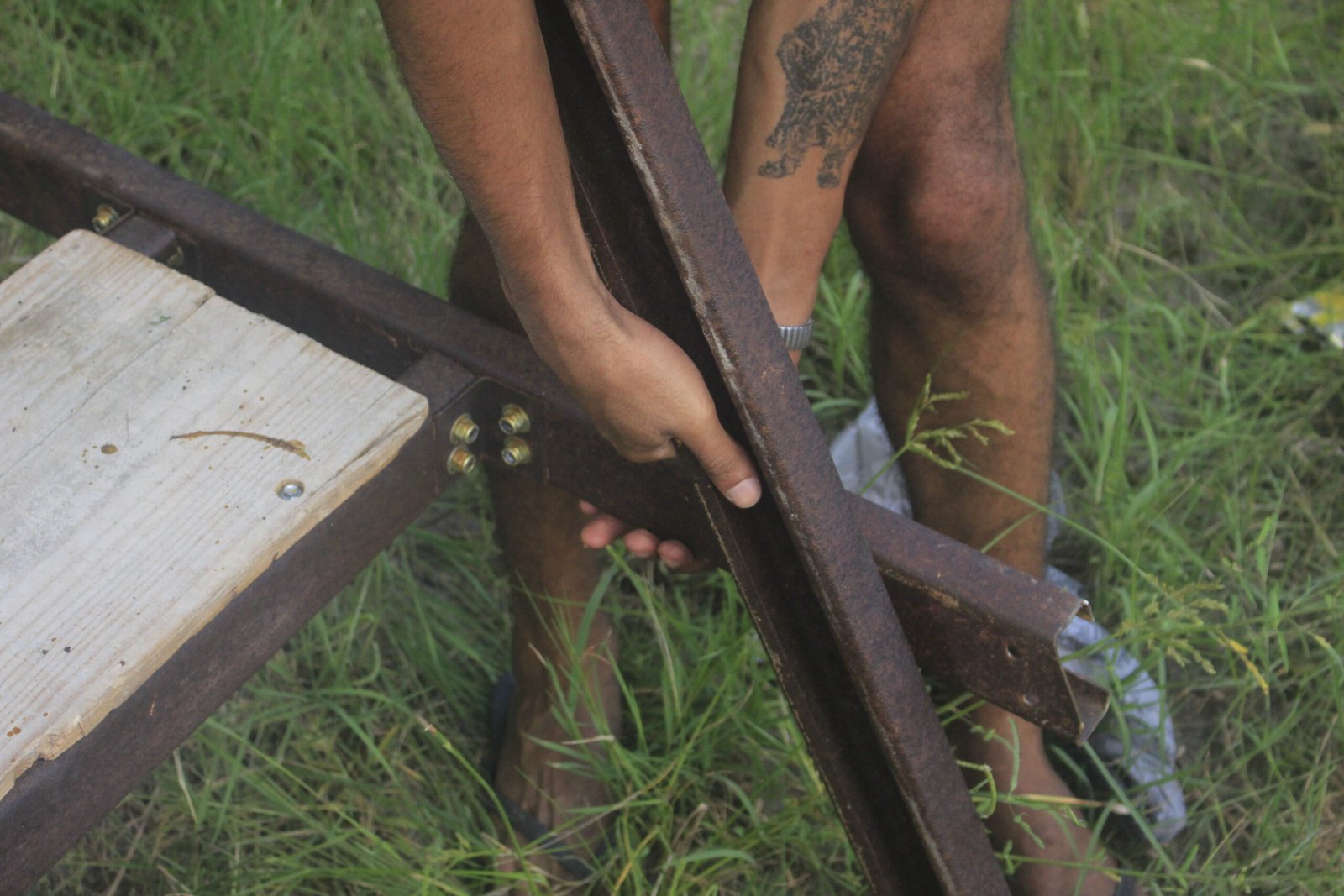
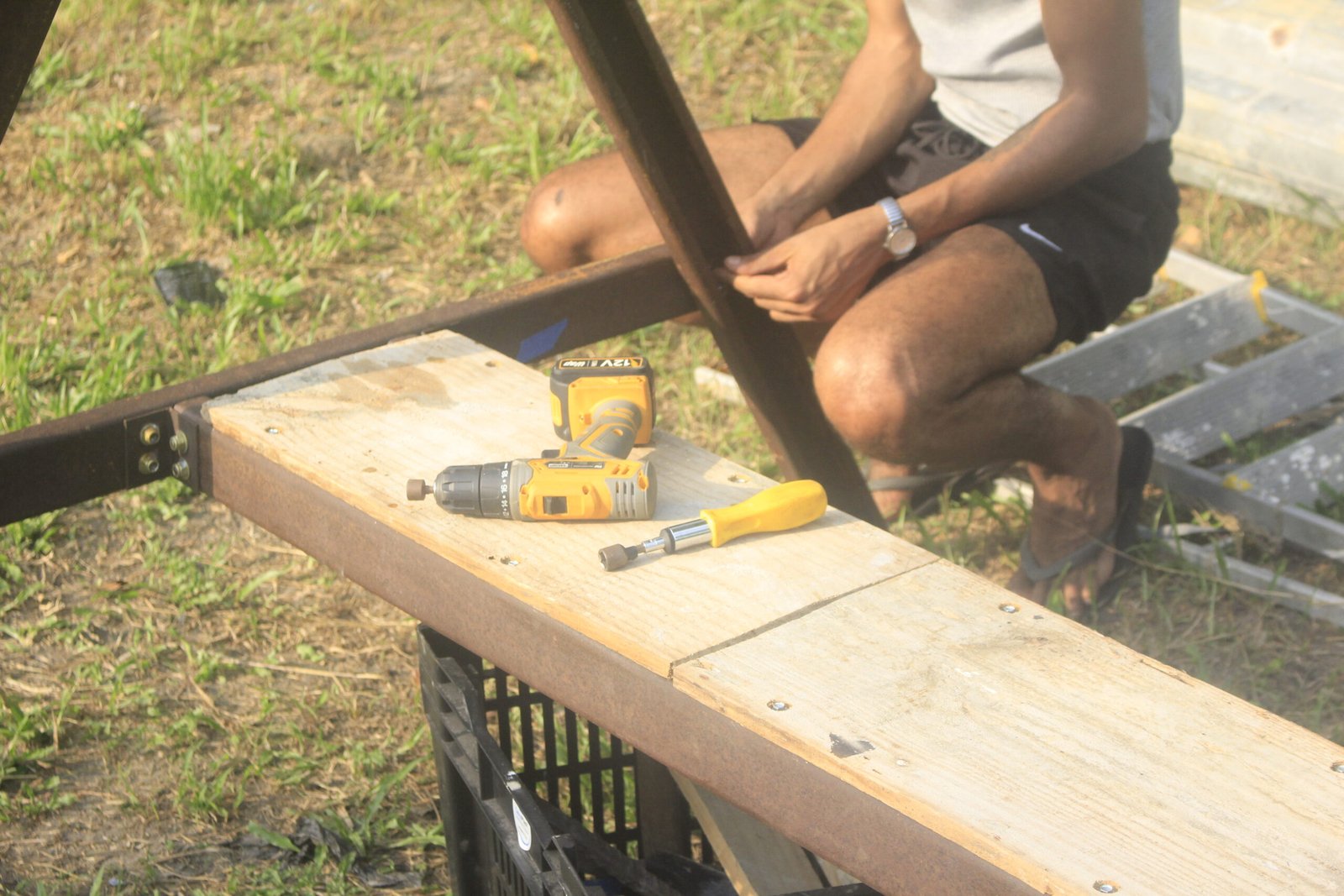
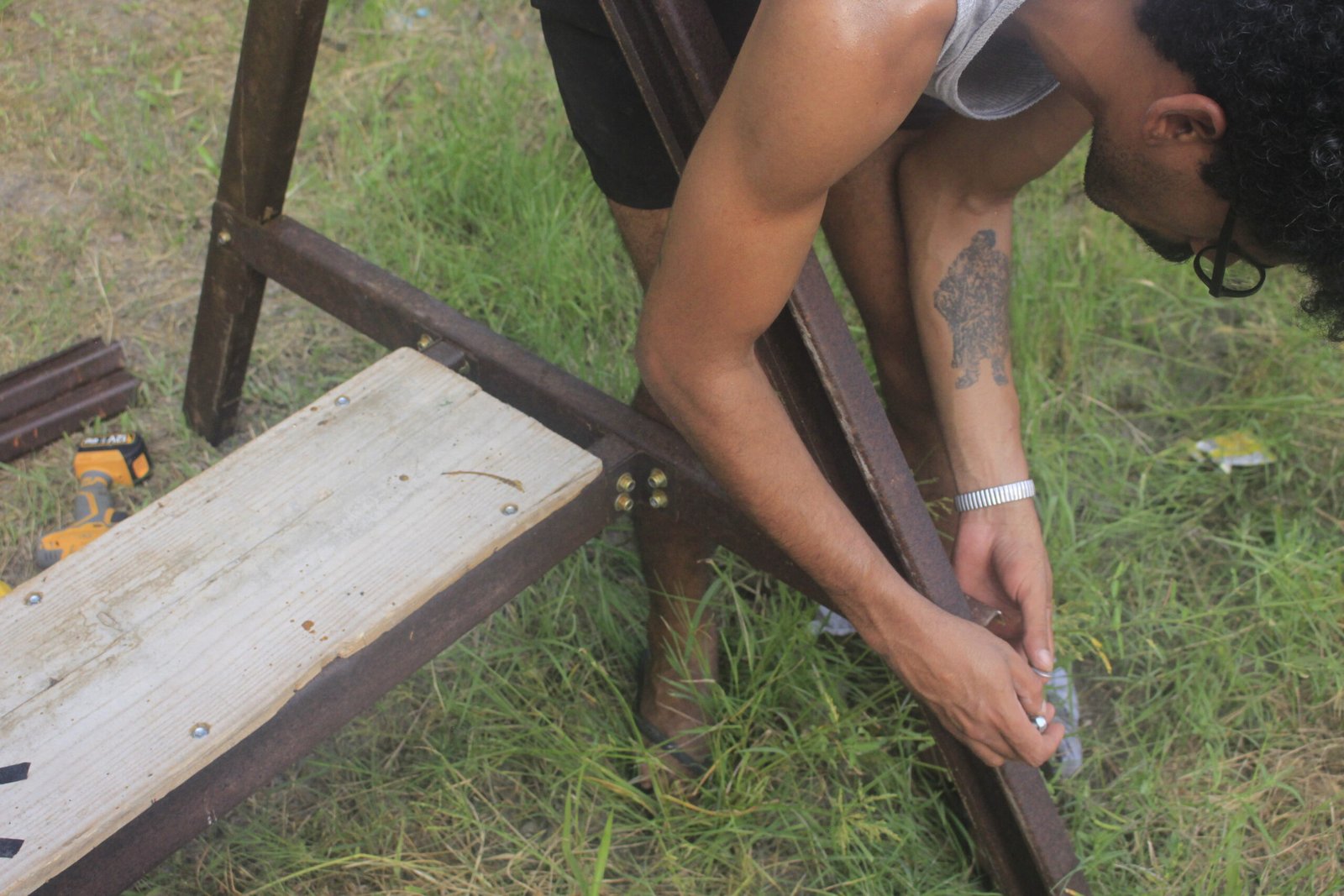
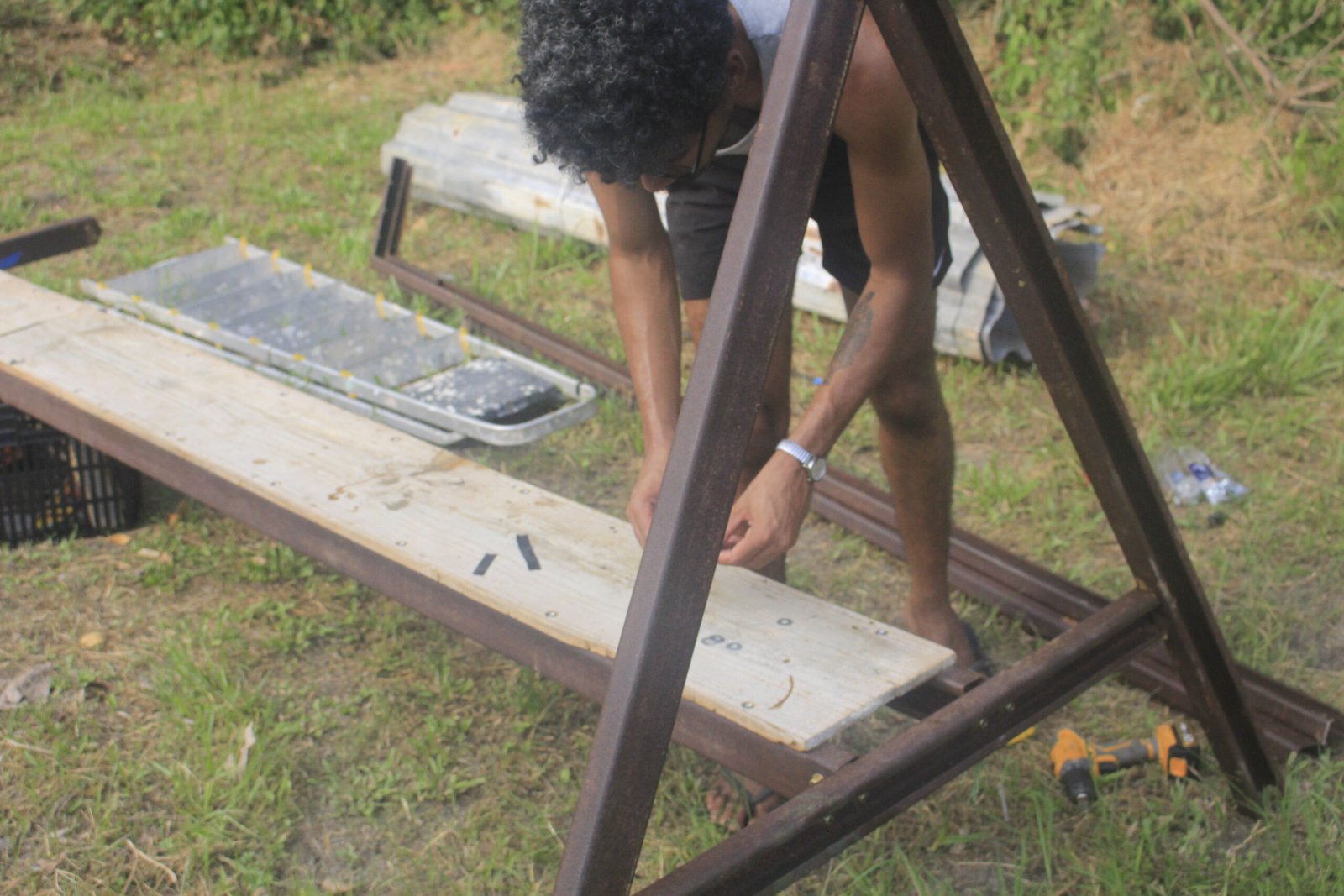
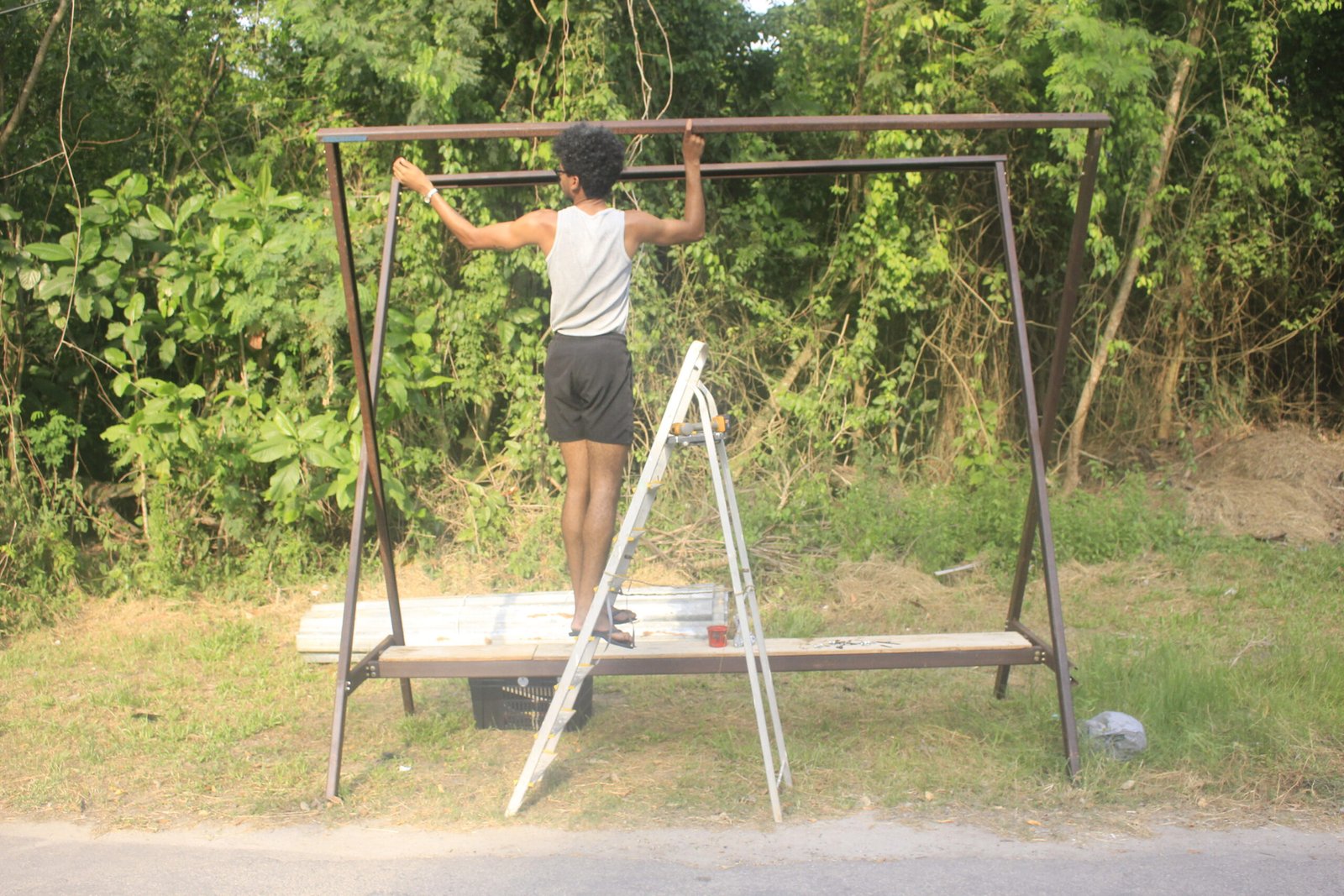
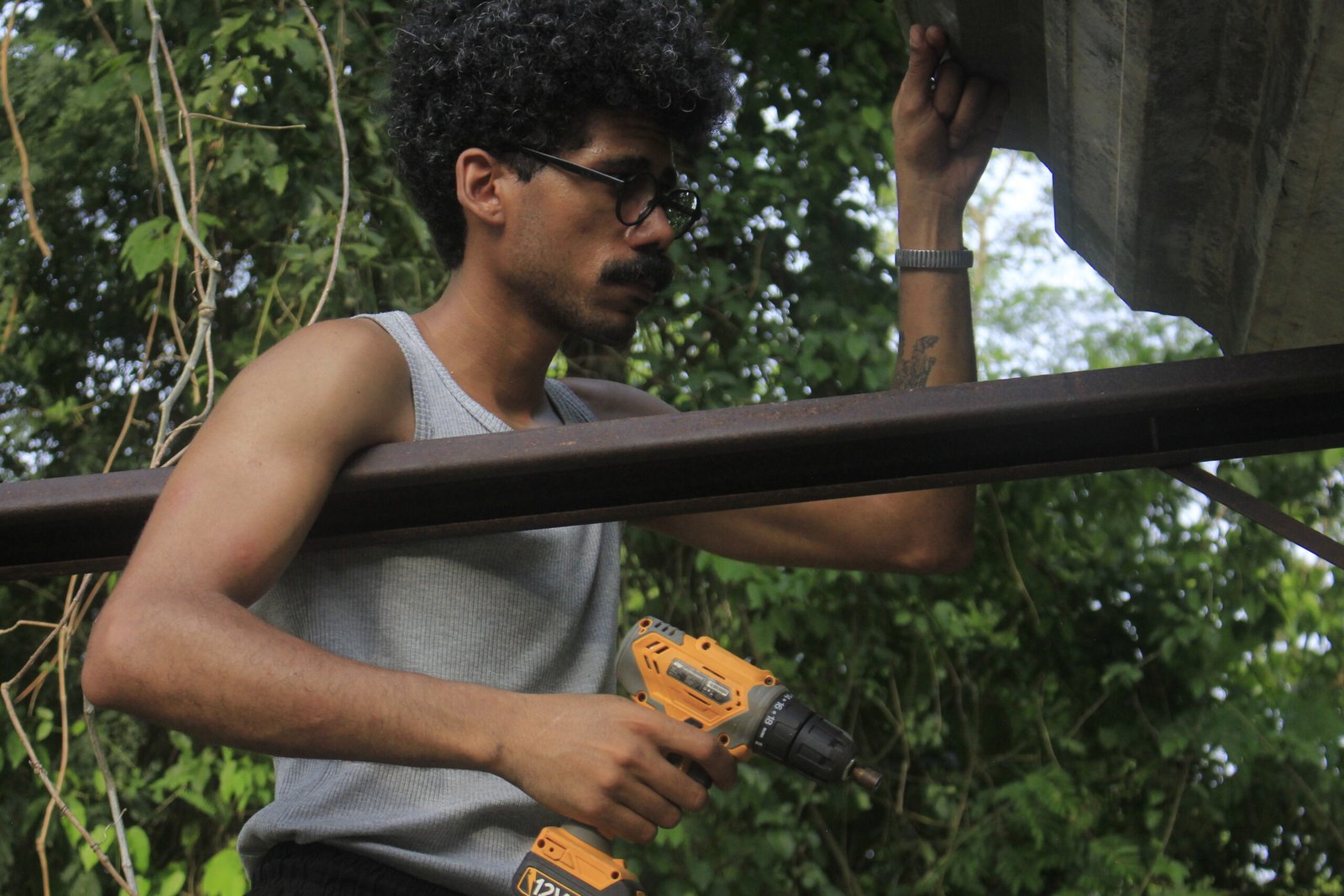
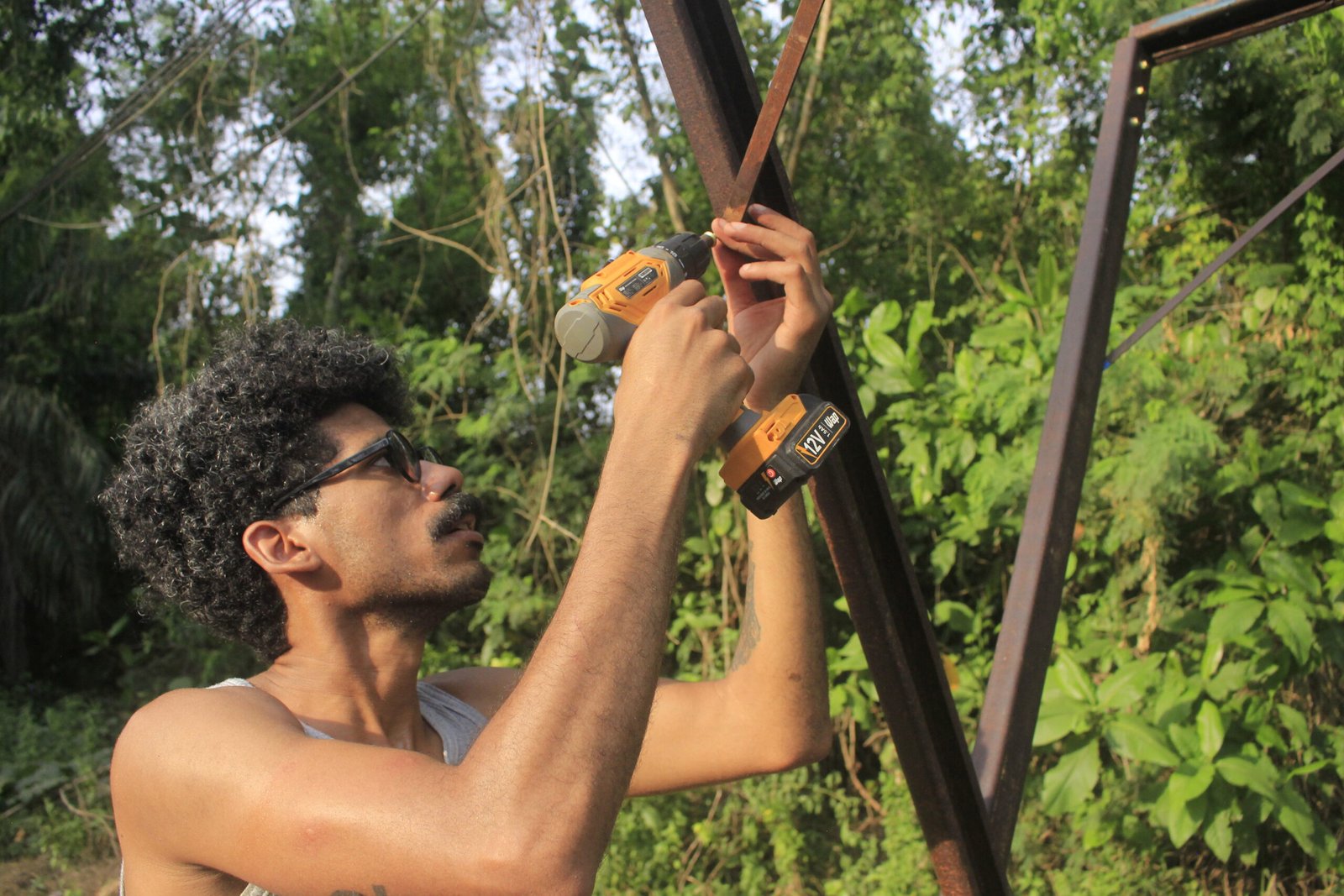
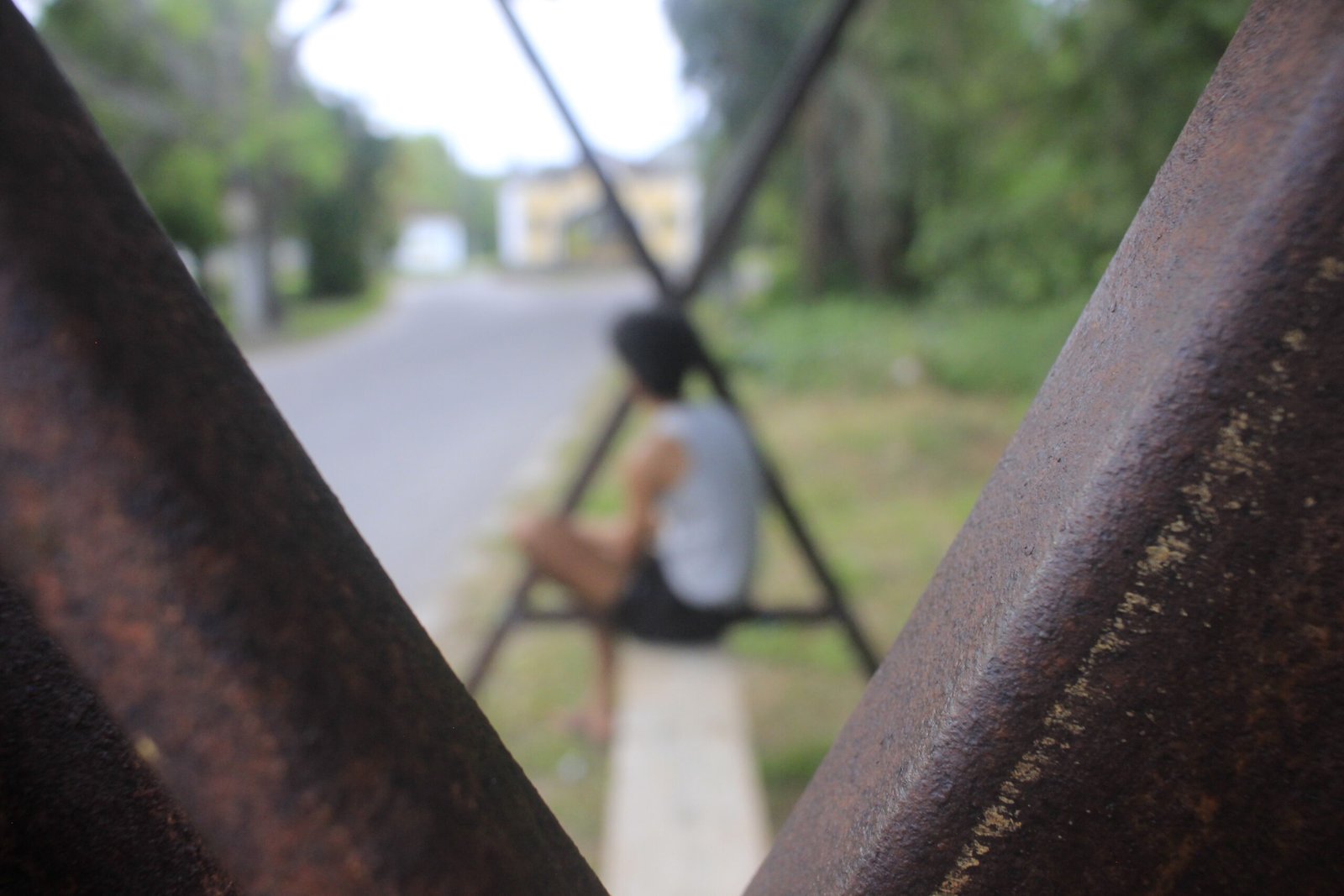
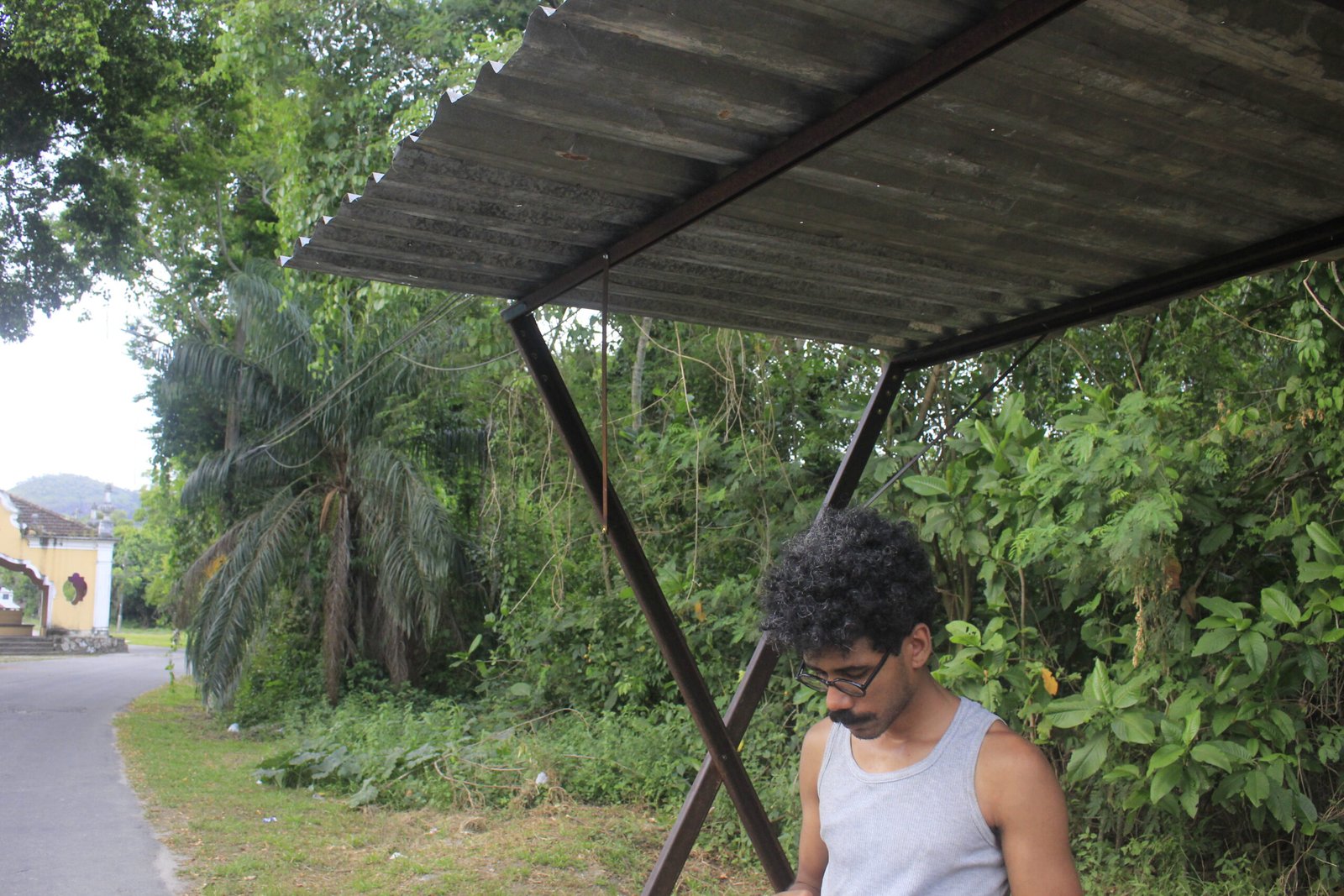
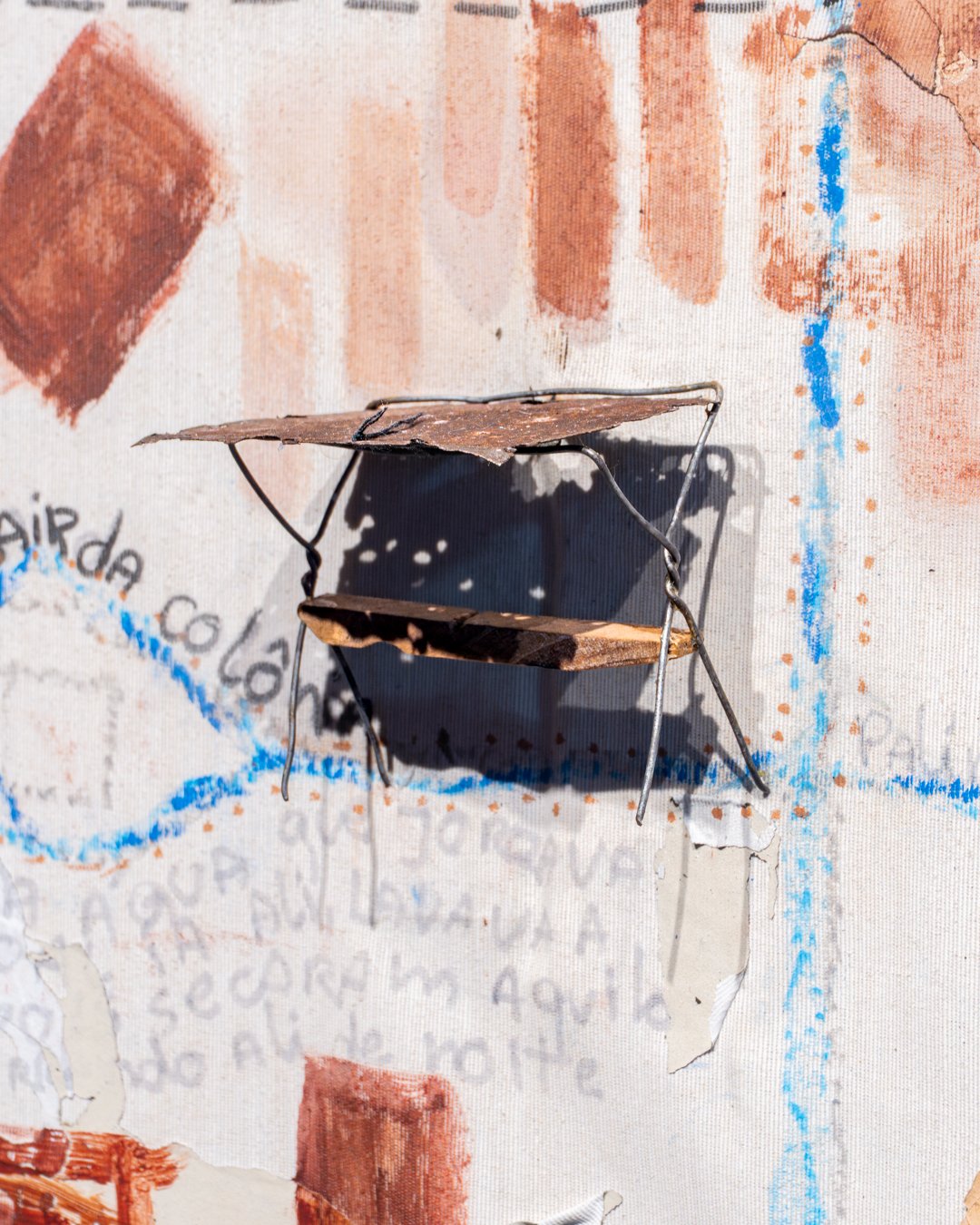
At the end of 2025, I completed an artist residency at the Museu Bispo do Rosário de Arte Contemporânea in Rio de Janeiro, where I developed the series Palimpsesto. The body of work consists of three site-specific installations, a banner, photography, and video performance, with the installation presented here serving as the project’s starting point. The core premise of Palimpsesto was to create interventions that referenced the past of the Colônia Juliano Moreira neighborhood, aiming to rewrite the past over the layers of the present. The work materialized in the construction of a bus stop for a line that no longer circulates in the area. The structure, featuring a minimalist aesthetic, is based on a primary system of two “X” shapes, designed to optimize resource usage. All materials were salvaged from disposal sites and scrap yards. Due to the unpredictability of material availability and quantity, I developed a design that required fewer resources than conventional public equipment. The execution process spanned three months and was carried out entirely independently, covering everything from theoretical and logistical conception to the cutting of parts, assembly, and final on-site installation.
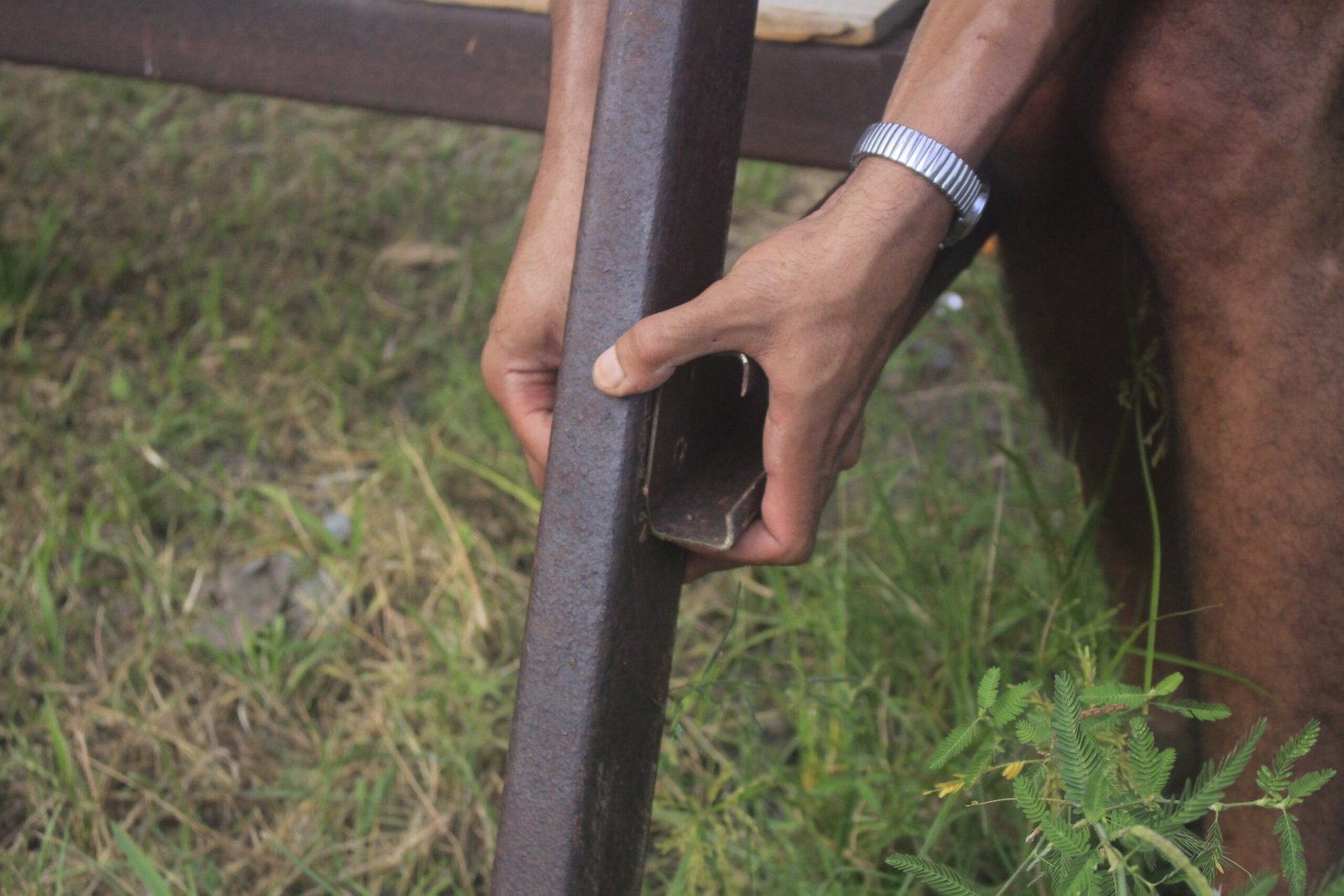
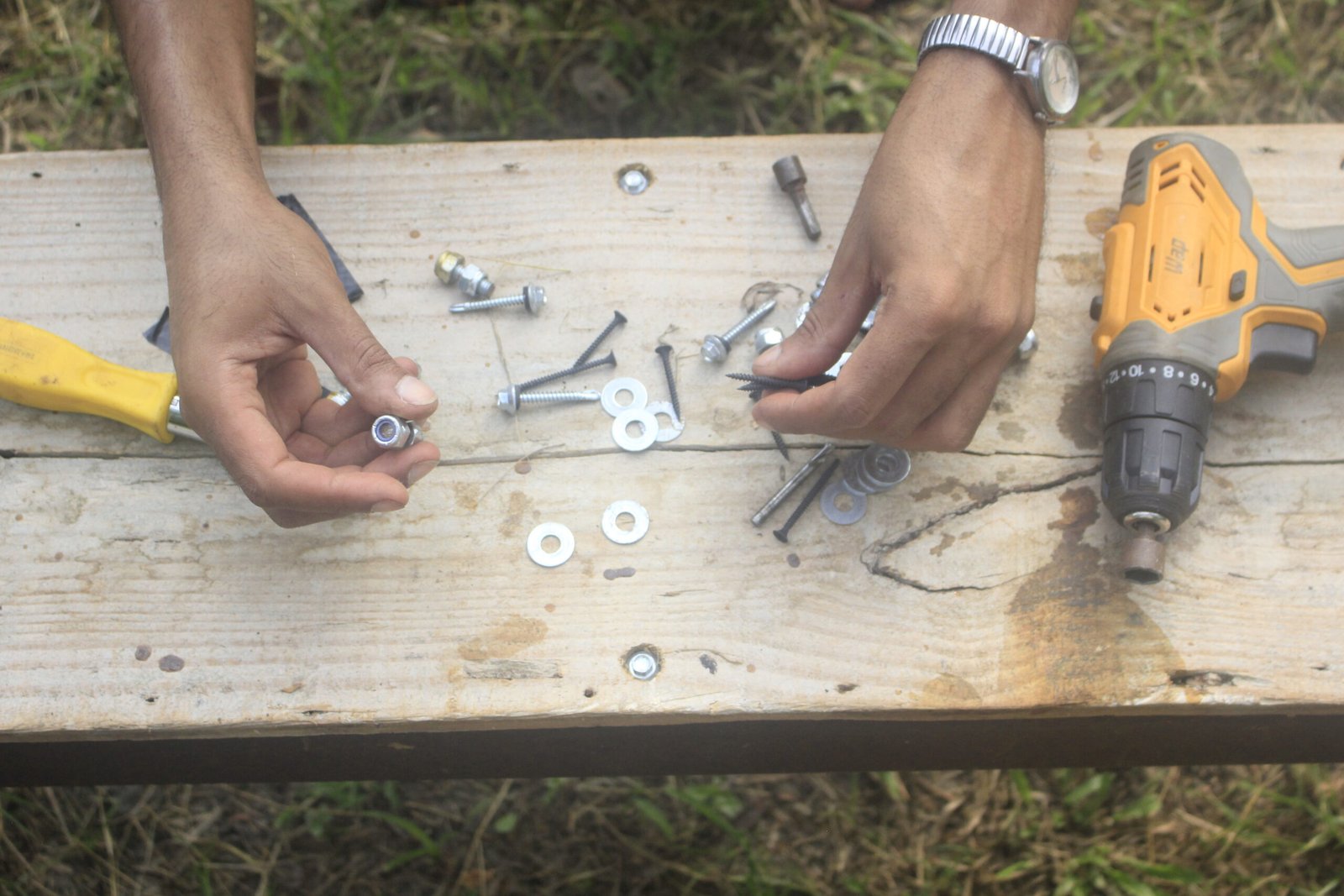
Material salvaged from scrap yards: Metalon C-channel (80x40mm) _ 25m + Galvanized Roof Tile _ 2.5x3.0m + Pine Board _ 300x30x2cm + 5/16" Screws and Nuts _ 50 and 100
approximately 1.8 kg of CO₂ emissions were avoided iron ore mining and tree cutting were avoided the cost of waste collection, transportation, and landfilling was avoided low-impact technique
762, an incurable patient
At the end of 2025, I completed an artist residency at the Museu Bispo do Rosário de Arte Contemporânea in Rio de Janeiro, where I developed the series Palimpsesto. The body of work consists of three site-specific installations, a banner, photography, and video performance, with the installation presented here serving as the project’s starting point. The core premise of Palimpsesto was to create interventions that referenced the past of the Colônia Juliano Moreira neighborhood, aiming to rewrite the past over the layers of the present. The work materialized in the construction of a bus stop for a line that no longer circulates in the area. The structure, featuring a minimalist aesthetic, is based on a primary system of two “X” shapes, designed to optimize resource usage. All materials were salvaged from disposal sites and scrap yards. Due to the unpredictability of material availability and quantity, I developed a design that required fewer resources than conventional public equipment. The execution process spanned three months and was carried out entirely independently, covering everything from theoretical and logistical conception to the cutting of parts, assembly, and final on-site installation.
Material salvaged from scrap yards: Metalon C-channel (80x40mm) _ 25m + Galvanized Roof Tile _ 2.5x3.0m + Pine Board _ 300x30x2cm + 5/16" Screws and Nuts _ 50 and 100
approximately 1.8 kg of CO₂ emissions were avoided iron ore mining and tree cutting were avoided the cost of waste collection, transportation, and landfilling was avoided low-impact technique