Sea is Hill - 1st edition
Art, Production, Text, and Research: Osmar Santos Institutional Support: Center for Letters and Arts-UFRJ, SEMEAFAU Support:Brenda Romão, João Alexandre
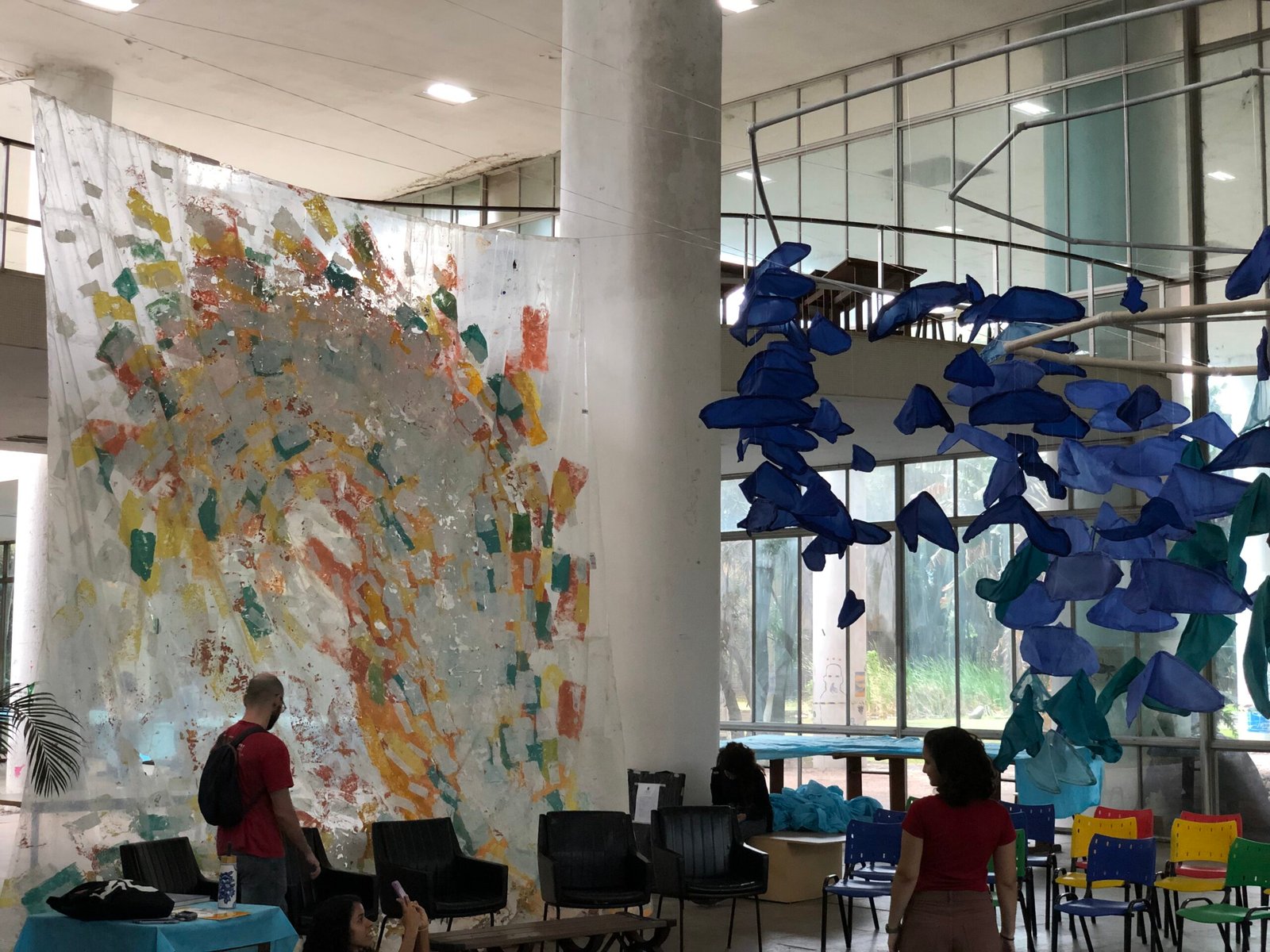
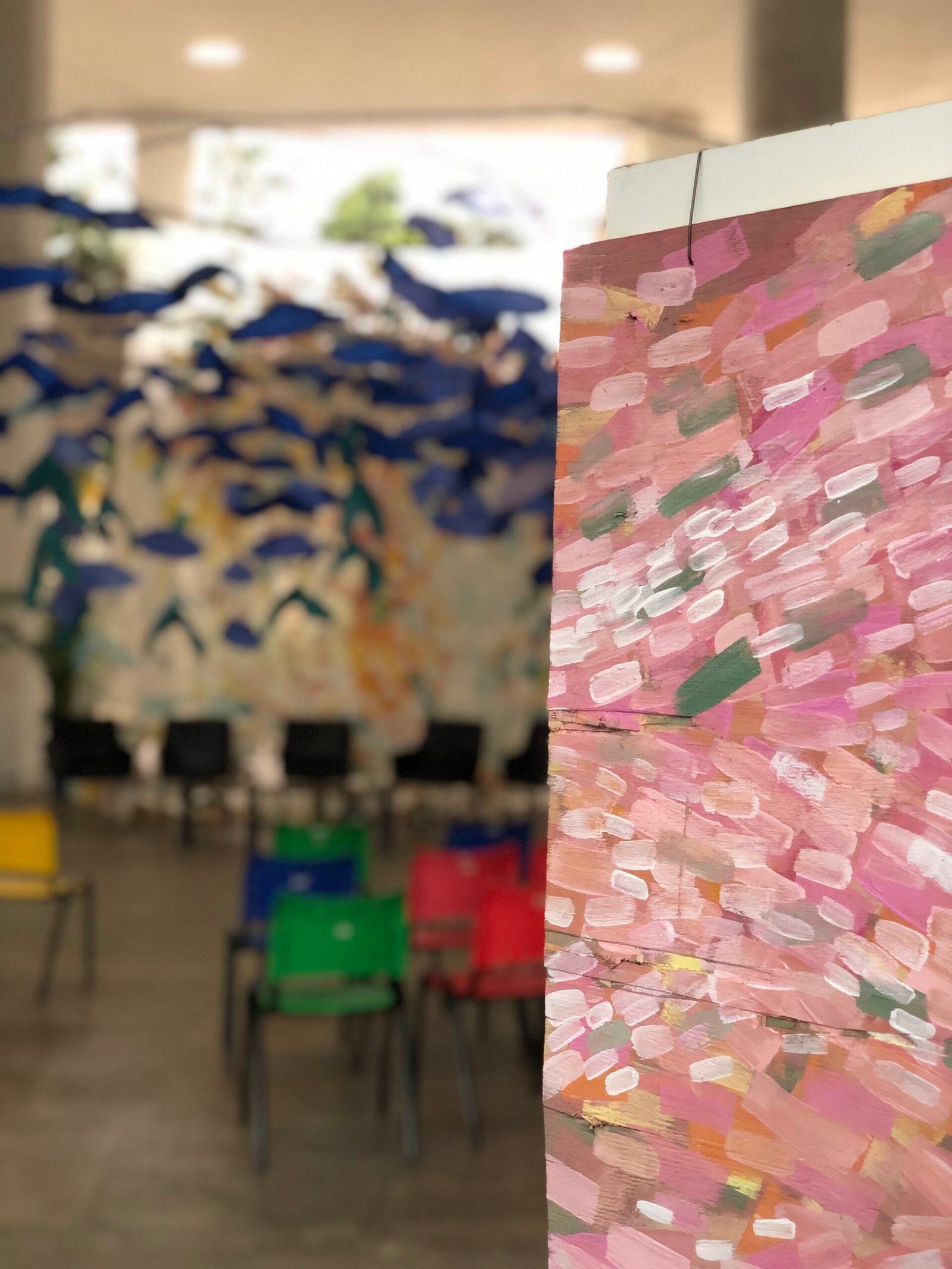
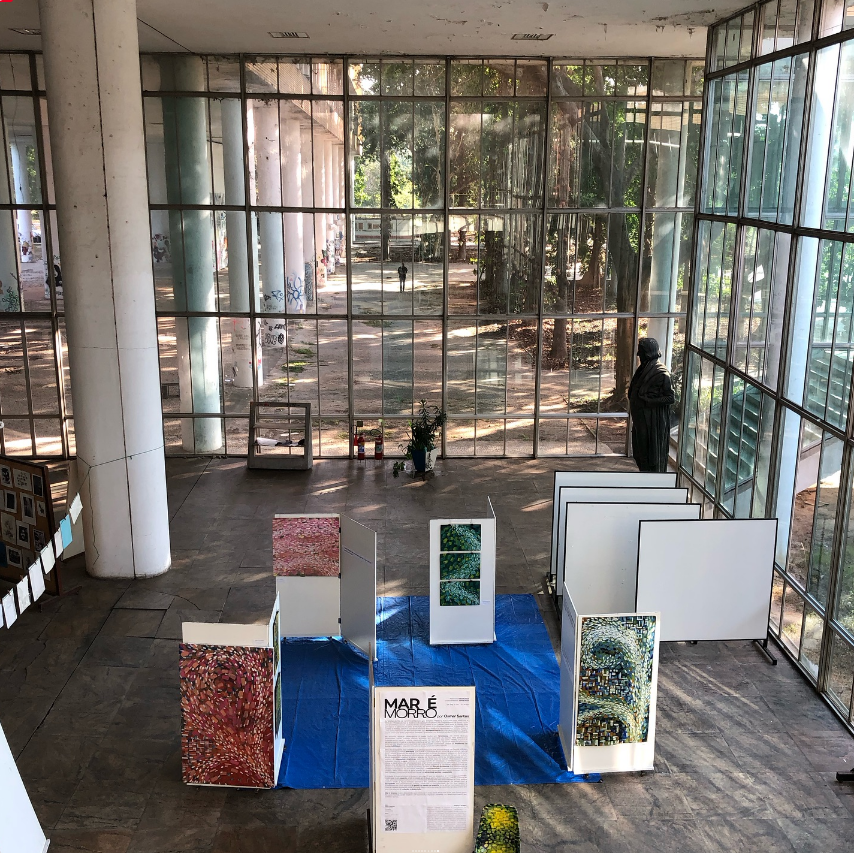
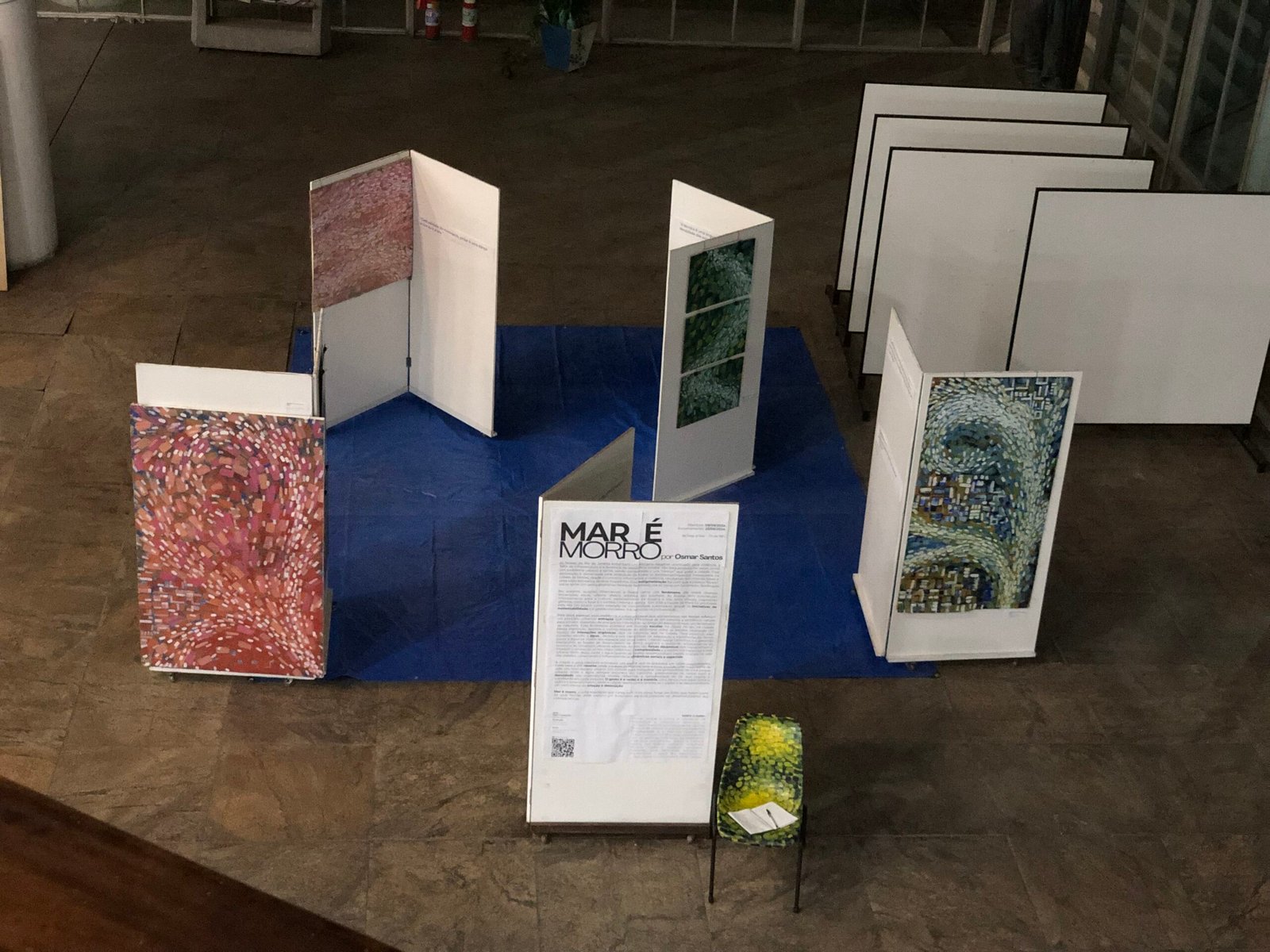
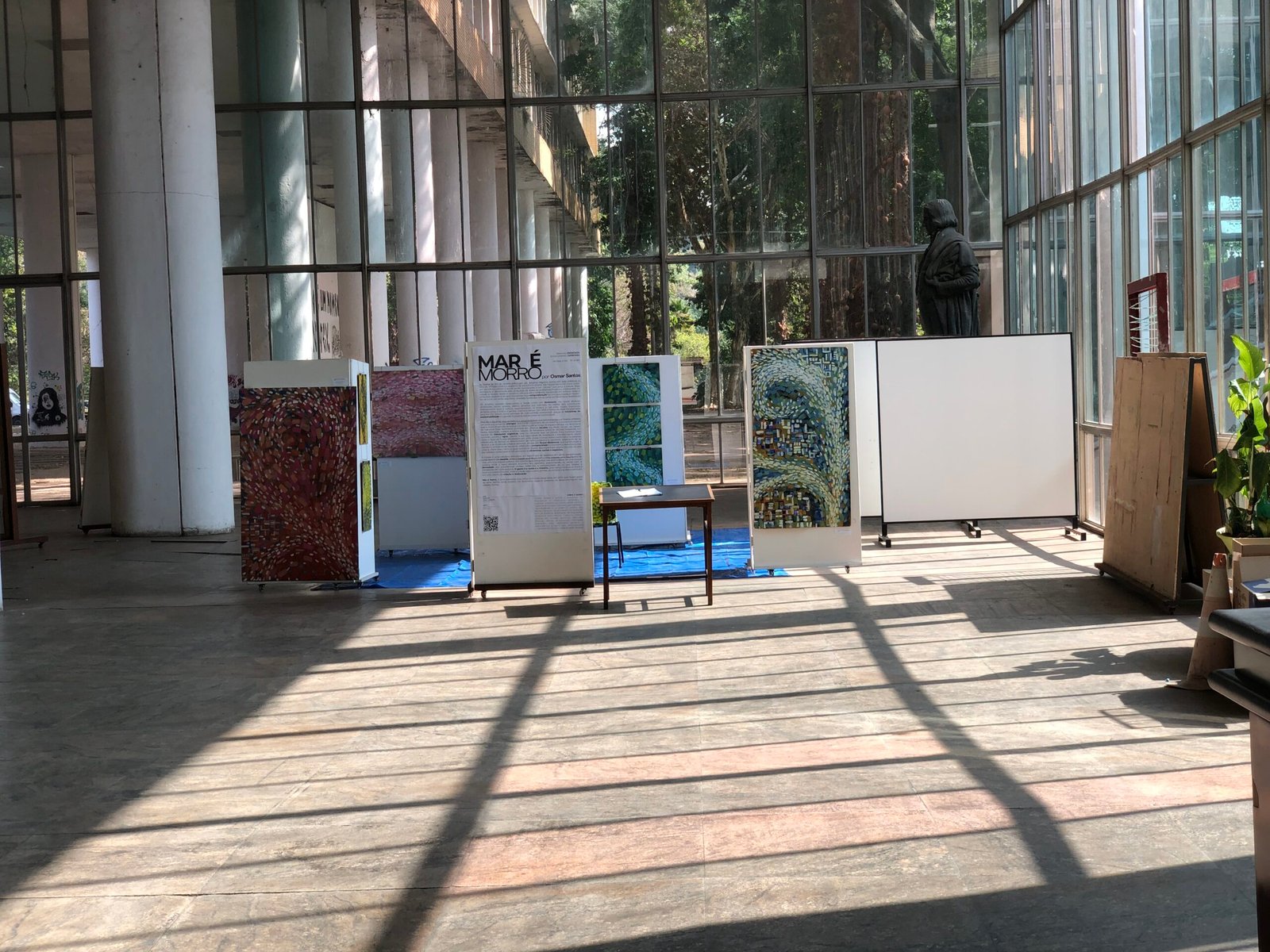
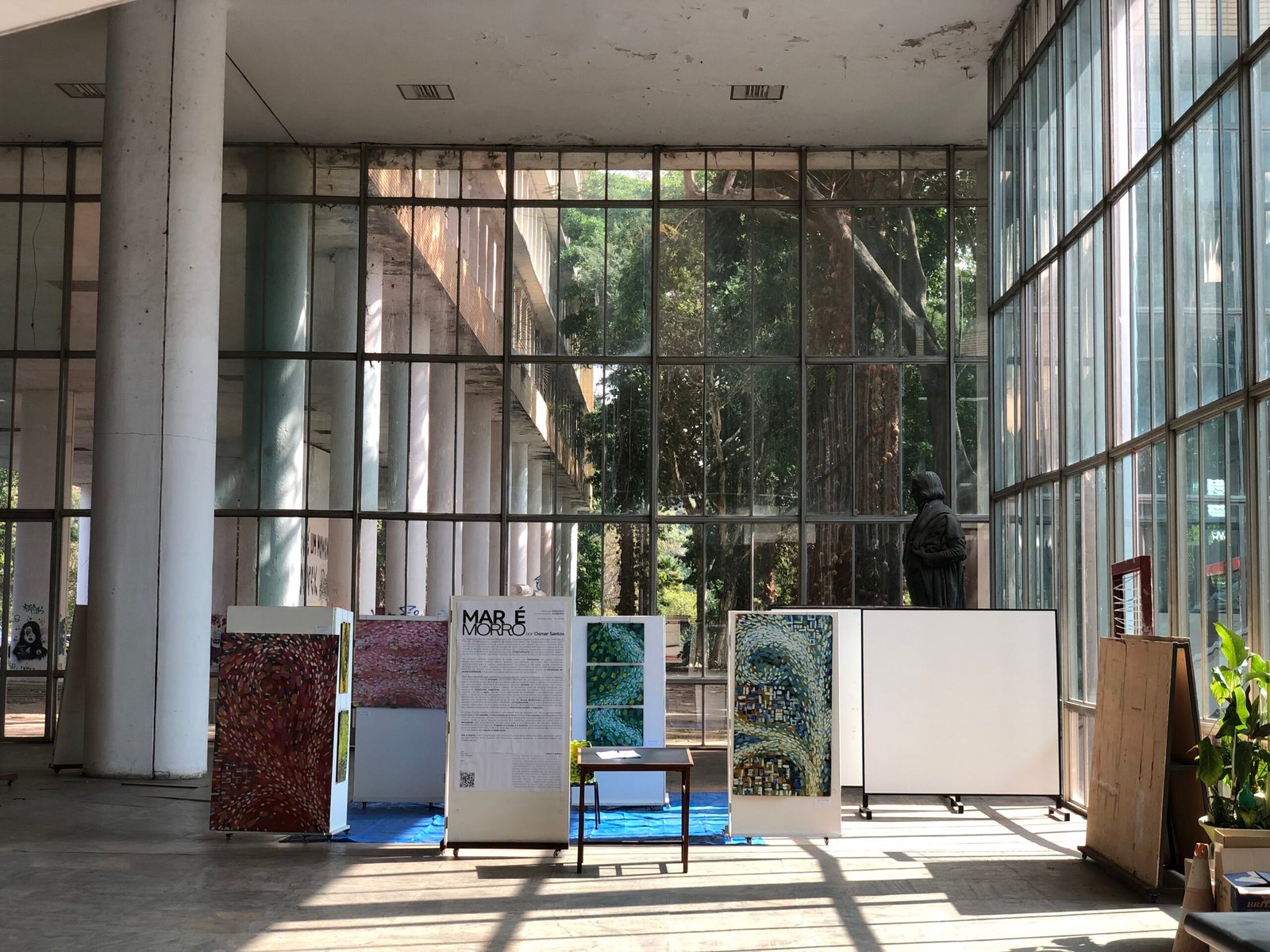
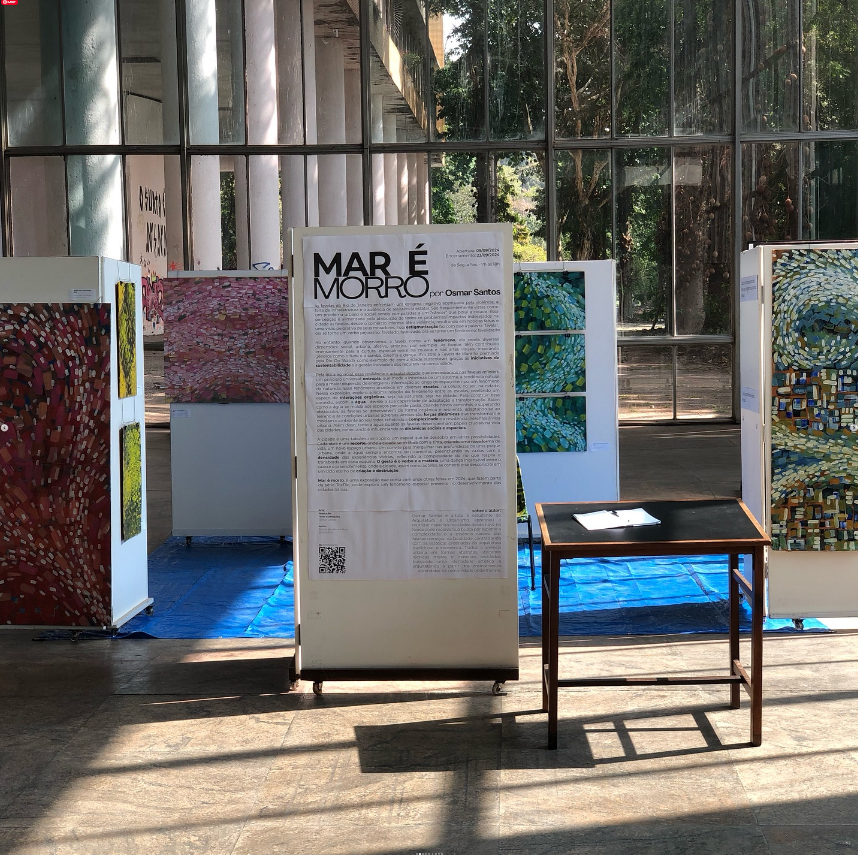
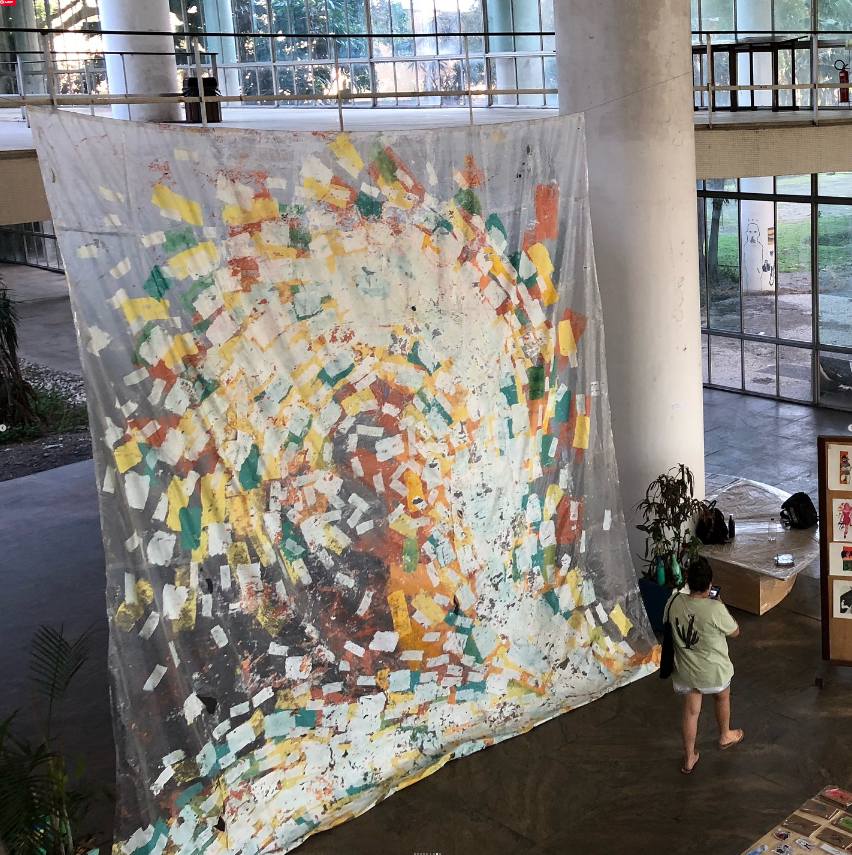
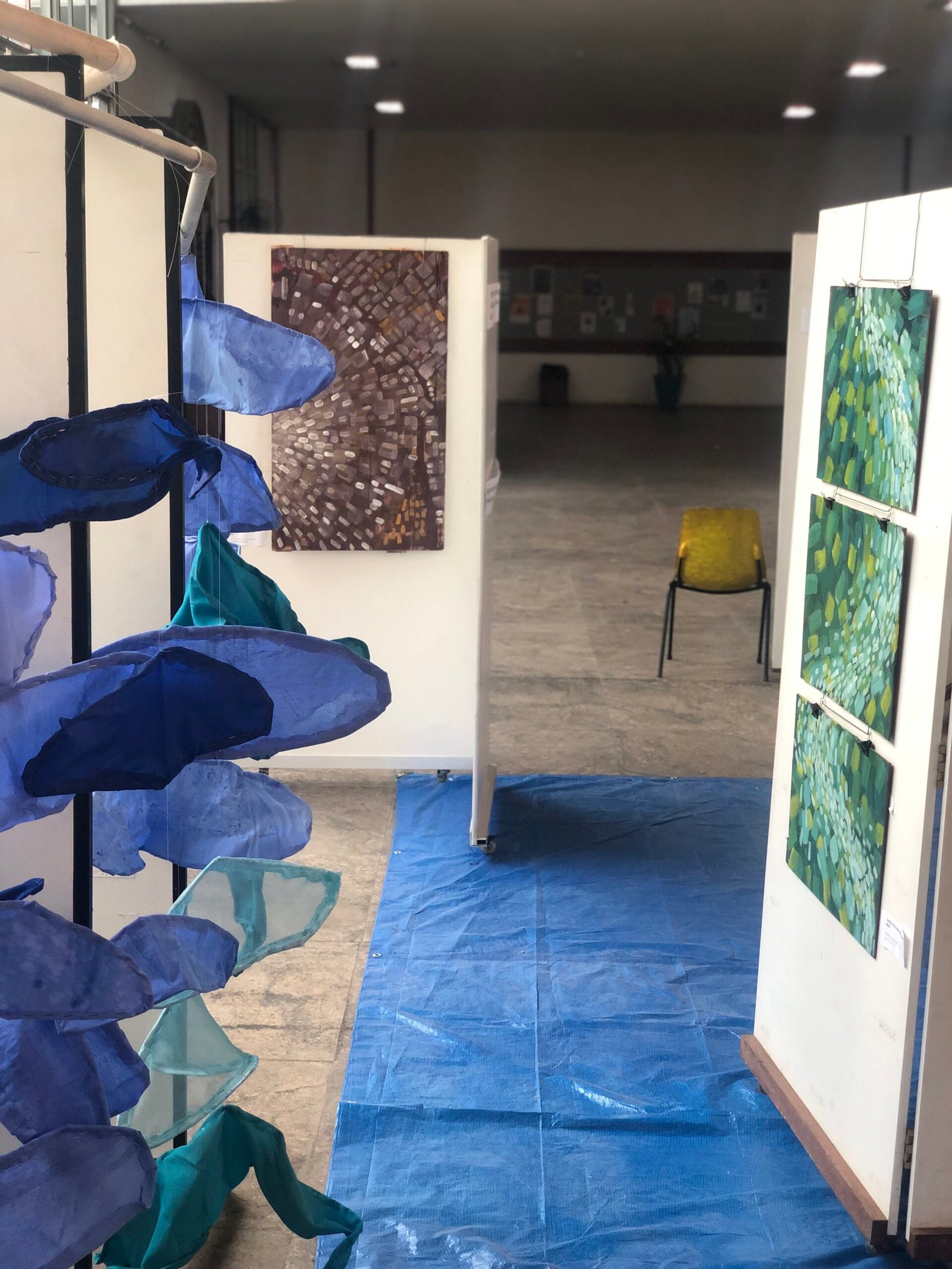
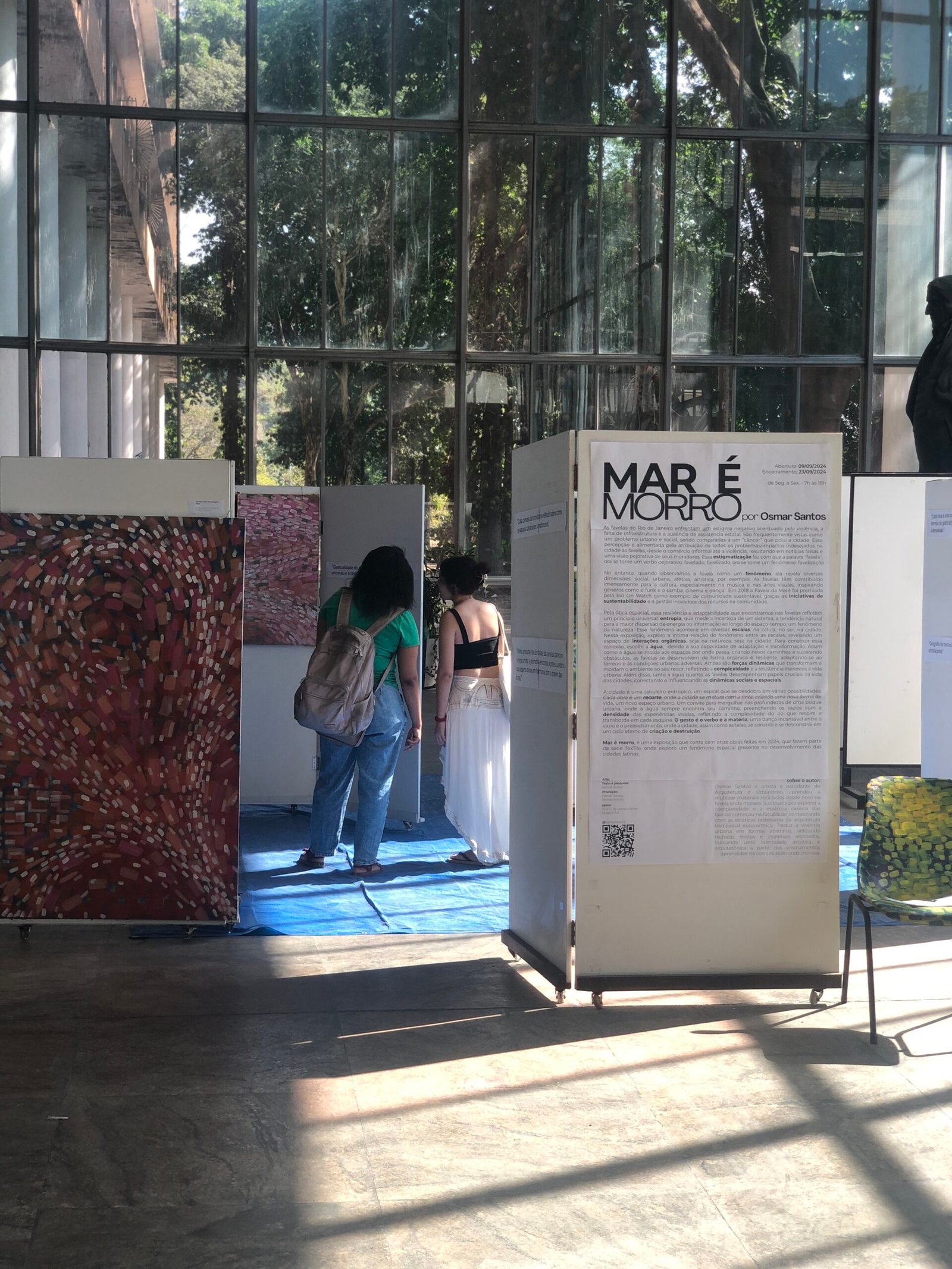
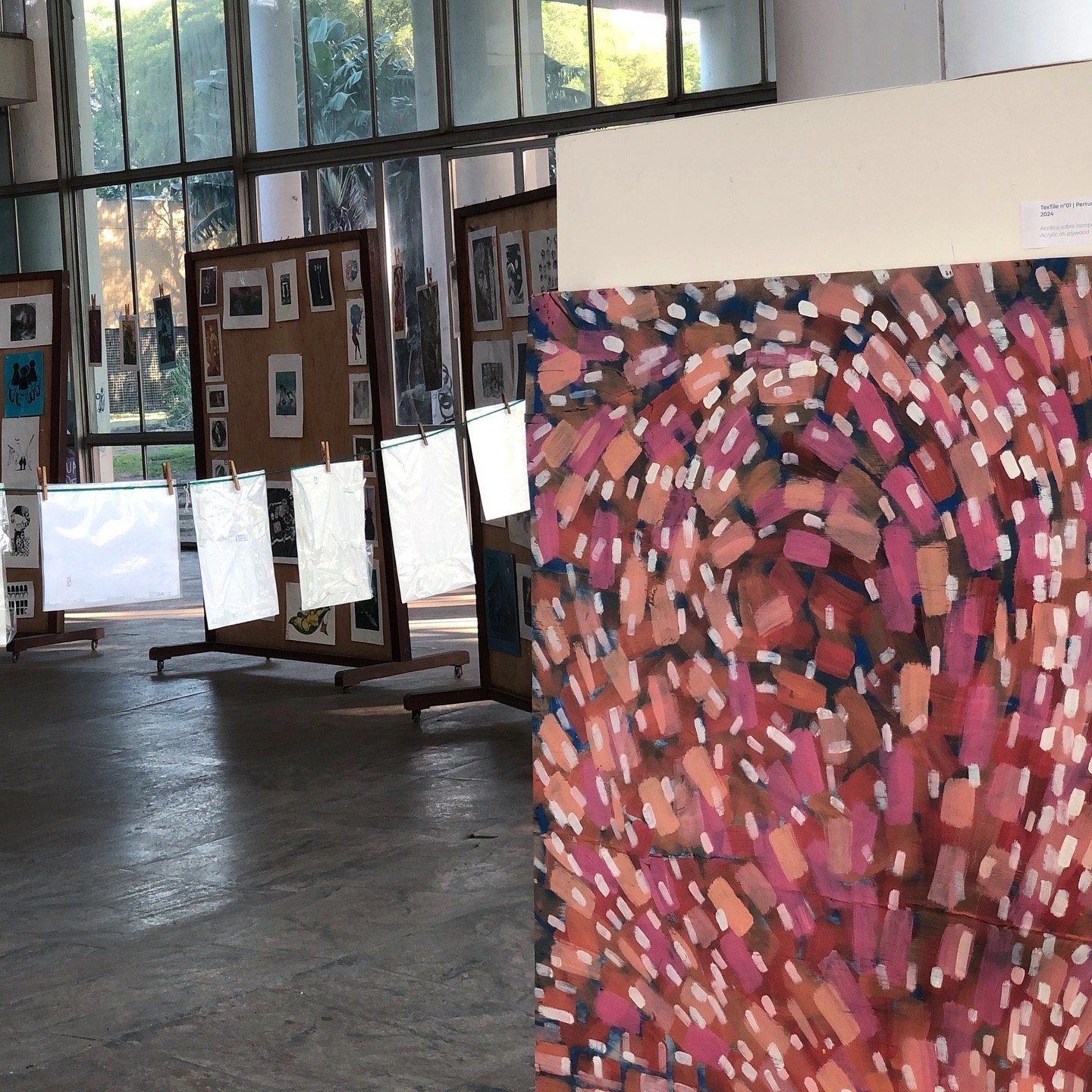
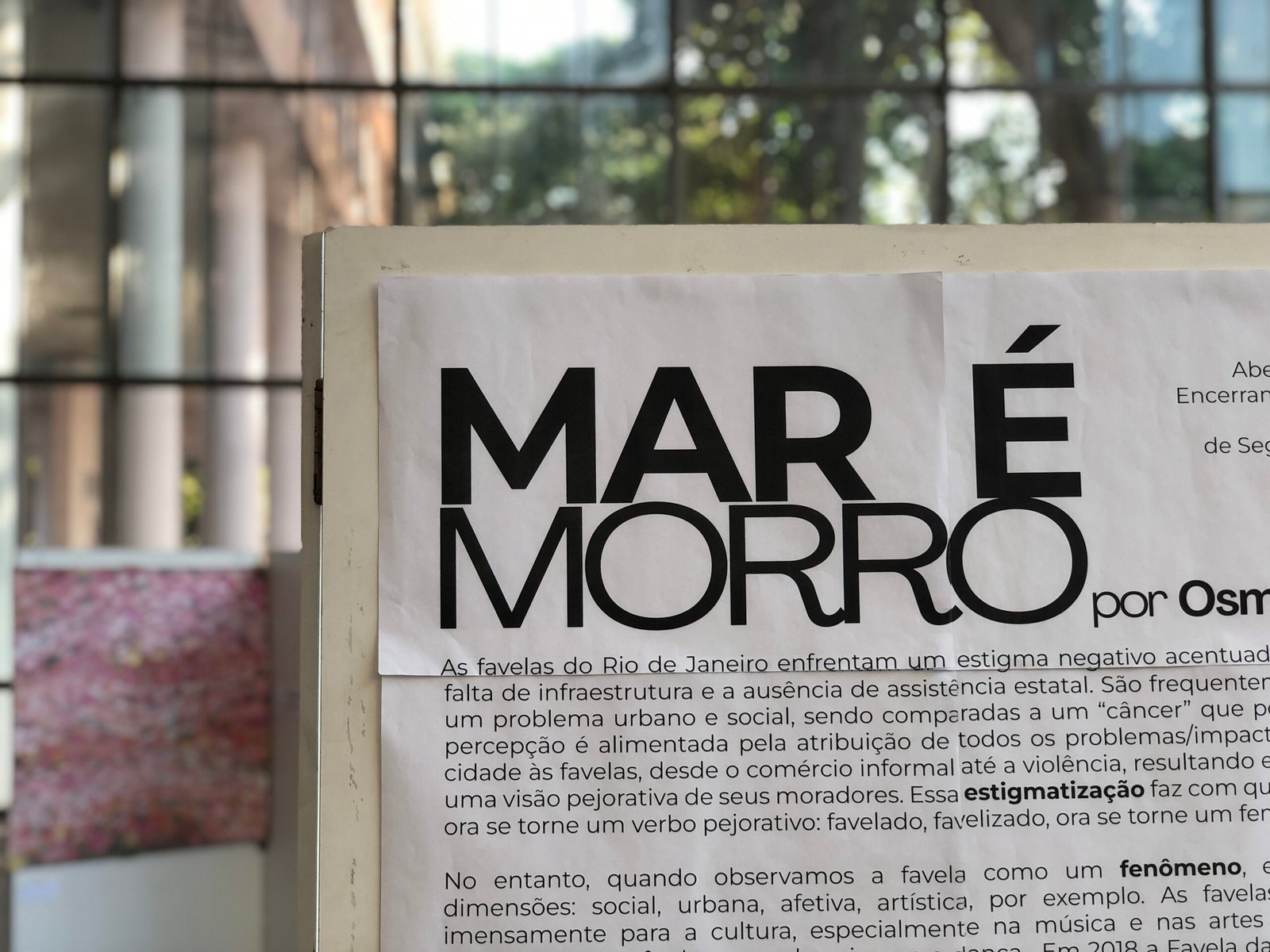
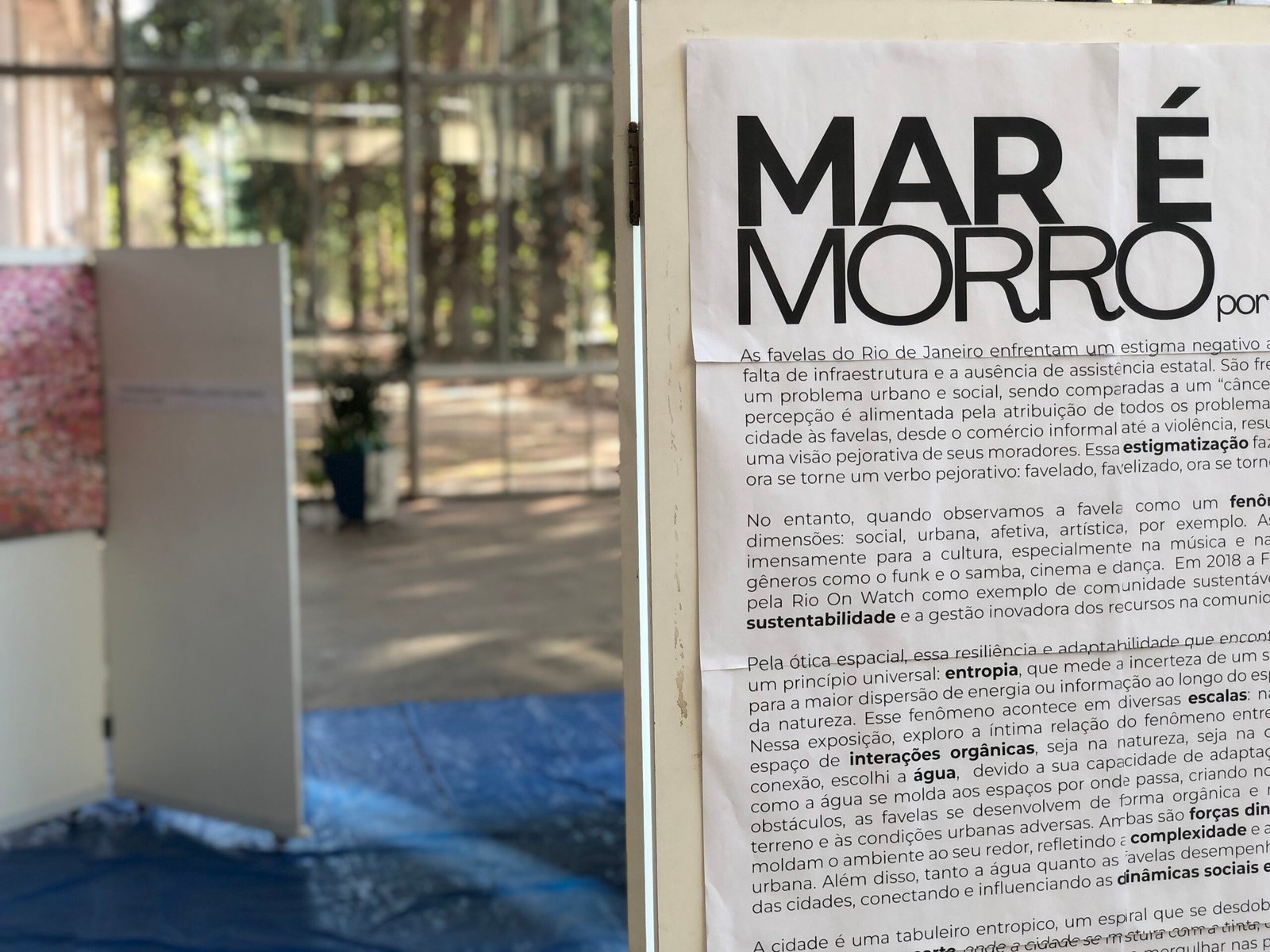
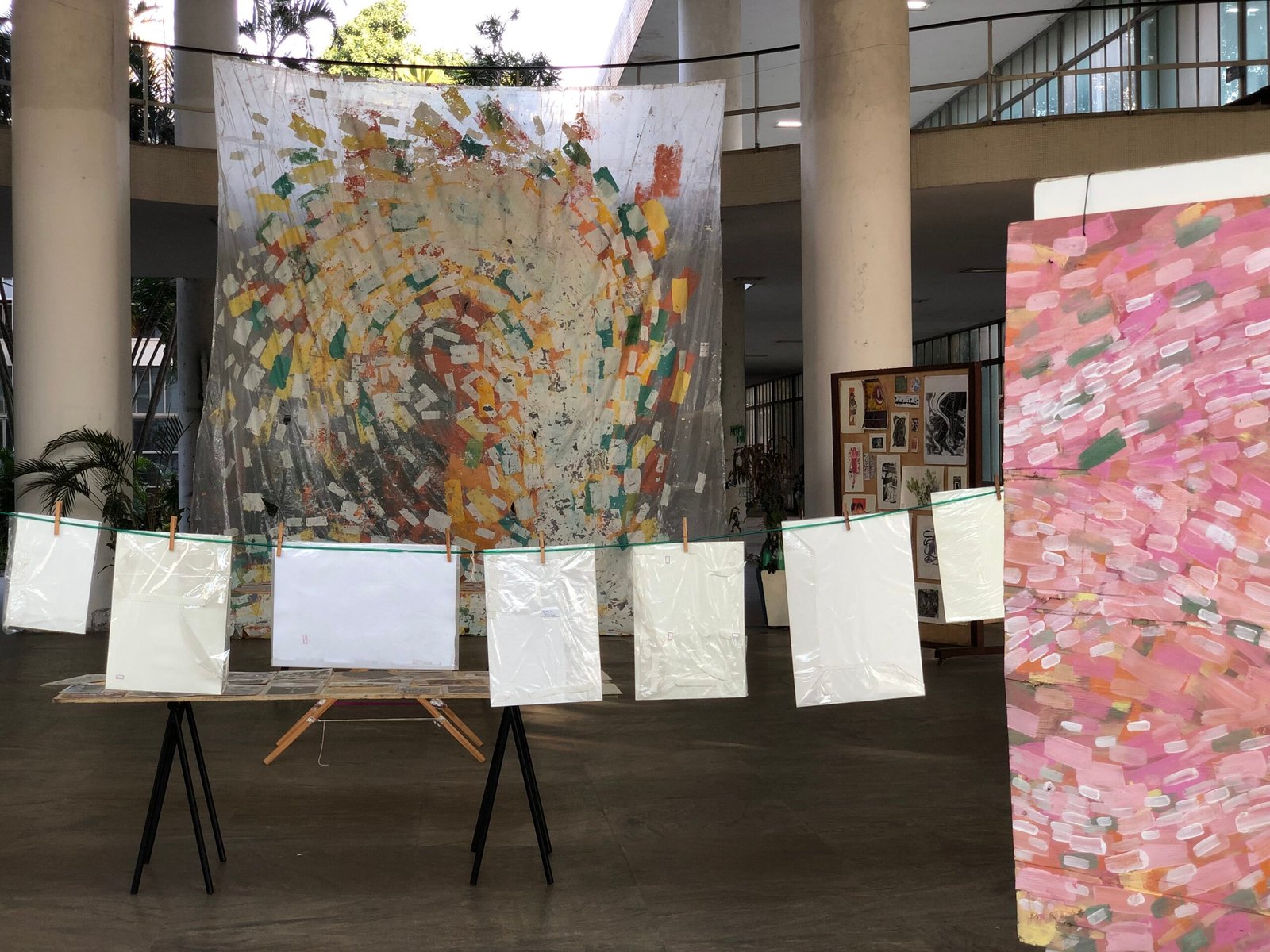
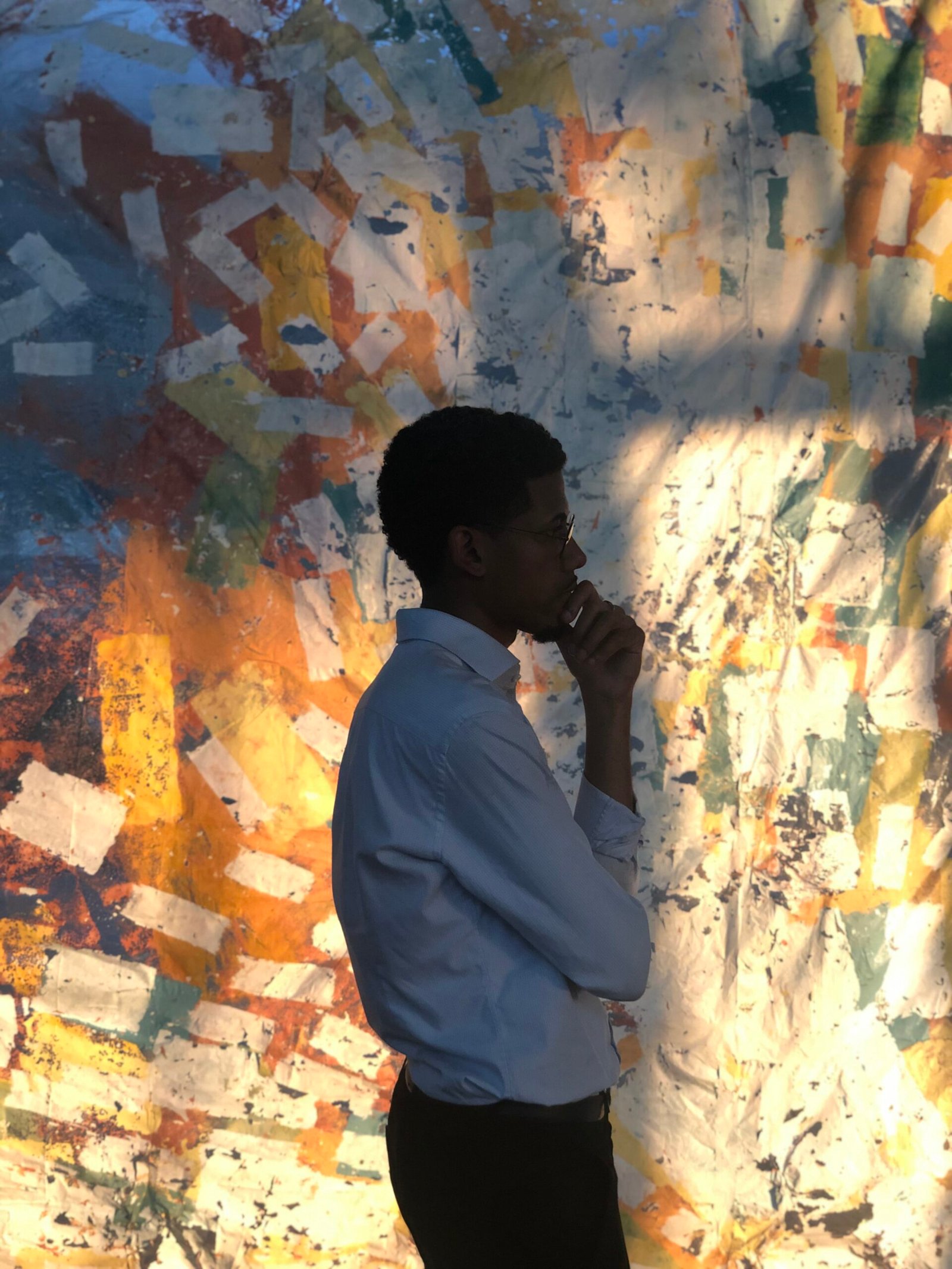
Sea is Hill is an exhibition featuring eleven works created in 2024, which are part of the TexTile series, where I explore a spatial phenomenon present in the development of Latin American cities.
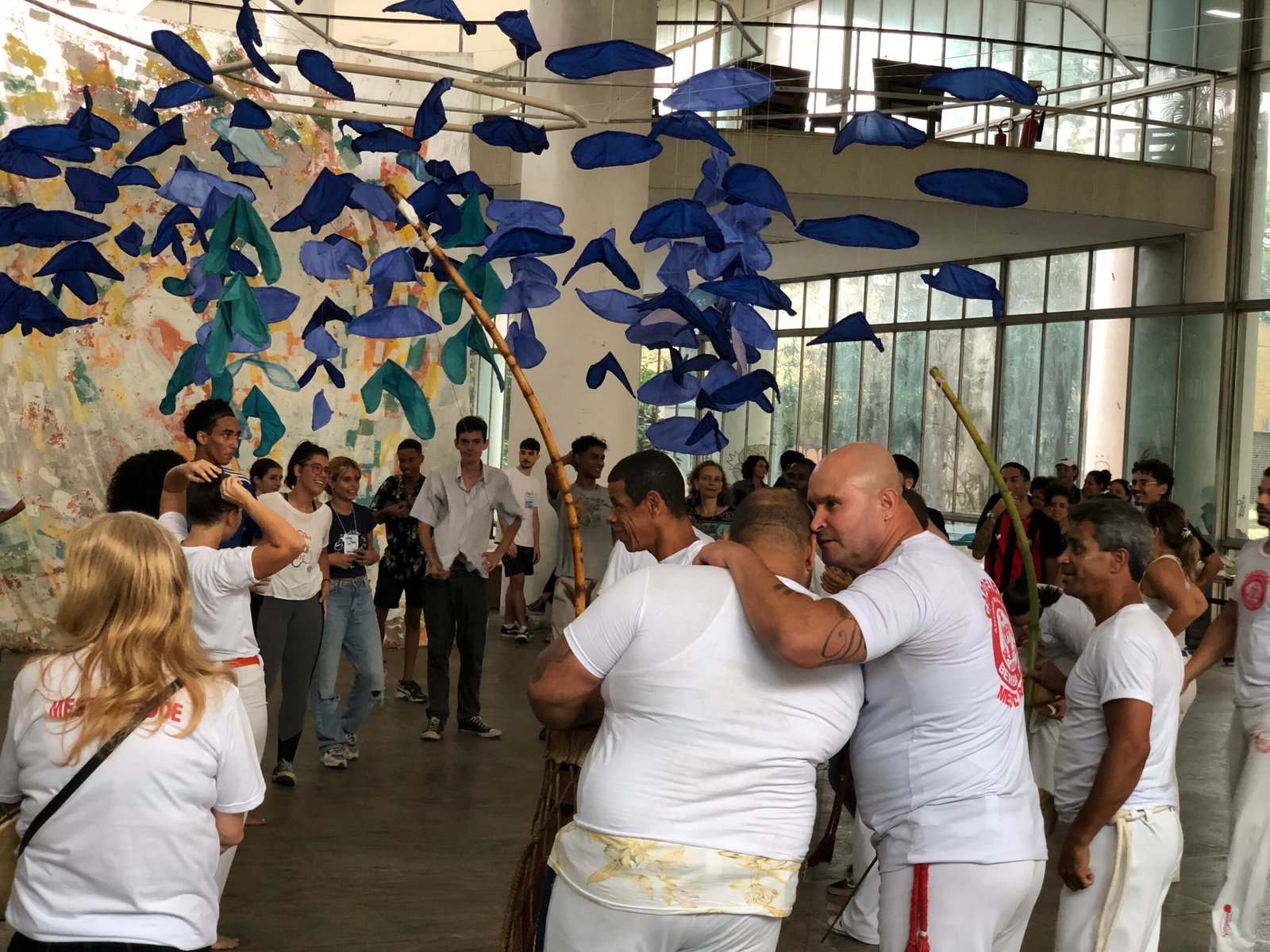
The favelas of Rio de Janeiro carry a strong stigma associated with violence, urban insecurity, and the absence of the State, often being viewed pejoratively and blamed for the city's problems. However, when observing the favela as a social, urban, and cultural phenomenon, its creative power, resilience, and capacity for adaptation are revealed. Favelas profoundly influence music, visual arts, cinema, and other cultural expressions, while also developing their own forms of organization and sustainability. From this perspective, the exhibition connects the dynamics of favelas to the concept of entropy—the natural tendency toward transformation and dispersion present in nature, bodies, and cities. Water emerges as a central element of this connection, symbolizing adaptation, flow, and resistance: just as it carves paths and occupies spaces, favelas organically mold themselves to adverse urban conditions. The artworks propose an immersion into an urban psyche in constant construction and deconstruction, where city, matter, and gesture intertwine in a continuous cycle of creation, transformation, and survival.
City of Rio de Janeiro | UFRJ
Sea is Hill - 1st edition
Art, Production, Text, and Research: Osmar Santos Institutional Support: Center for Letters and Arts-UFRJ, SEMEAFAU Support:Brenda Romão, João Alexandre
Sea is Hill is an exhibition featuring eleven works created in 2024, which are part of the TexTile series, where I explore a spatial phenomenon present in the development of Latin American cities.
The favelas of Rio de Janeiro carry a strong stigma associated with violence, urban insecurity, and the absence of the State, often being viewed pejoratively and blamed for the city's problems. However, when observing the favela as a social, urban, and cultural phenomenon, its creative power, resilience, and capacity for adaptation are revealed. Favelas profoundly influence music, visual arts, cinema, and other cultural expressions, while also developing their own forms of organization and sustainability. From this perspective, the exhibition connects the dynamics of favelas to the concept of entropy—the natural tendency toward transformation and dispersion present in nature, bodies, and cities. Water emerges as a central element of this connection, symbolizing adaptation, flow, and resistance: just as it carves paths and occupies spaces, favelas organically mold themselves to adverse urban conditions. The artworks propose an immersion into an urban psyche in constant construction and deconstruction, where city, matter, and gesture intertwine in a continuous cycle of creation, transformation, and survival.
City of Rio de Janeiro | UFRJ